Emergency Plumber in Sunbury, OH
Village-Era Housing Stock and the Drain Failures That Come With It
Residential structures in and around Sunbury's village center represent some of the oldest continuously occupied housing stock in Delaware County, and the plumbing systems running through those properties reflect that age in ways that show up as emergency calls rather than routine maintenance. Cast iron drain lines installed decades ago have been carrying wastewater through their original pipe walls since the structures were first built. These materials do not fail uniformly or predictably — sections corrode at different rates depending on what flows through them, how they were originally supported, and whether any segment was ever patched or modified in a way that introduced a connection point. Galvanized supply lines in older Sunbury homes carry a similar failure profile: interior corrosion accumulates gradually until flow restriction becomes noticeable, and the pipe wall thins to the point where a pressure event or even routine use triggers a break. Cold-weather vulnerability in these structures is higher than in newer construction because many original buildings lack the thermal barriers around supply runs in crawl spaces, unheated utility areas, and exterior wall cavities that current construction standards would require. When an older structure experiences a freeze event, the pipe damage often extends beyond the obvious failure point — cracking at a joint or connection can occur several feet from where the ice blockage formed, which means a single visible failure may have companion damage in a location that will not become apparent until after the initial repair.
When Frozen or Corroded Pipes Fail in Sunbury Properties
Properties beyond the village core, along the rural corridors extending outward from Sunbury, carry a different set of plumbing risk factors driven by infrastructure that serves individual parcels rather than a centralized municipal system. Well-supplied properties introduce pressure tank failures, waterlogged tanks, and pressure switch malfunctions as emergency categories that do not apply to municipally connected homes. A pressure tank that fails during winter months leaves a household without water supply in conditions that can accelerate pipe freeze exposure if the structure is unoccupied or inadequately heated during the response window. Older drain fields on properties with septic systems create backup risk when soil conditions limit absorption capacity during heavy rain periods or following sustained ground saturation. When wastewater cannot move through the lateral system, it backs into the lowest fixtures in the structure — floor drains, basement toilets, and laundry standpipes — in a way that requires containment and cleanup alongside the actual plumbing repair. Emergency response in these areas requires understanding which system is involved before making a diagnosis, because the failure signature for a municipal drain emergency and a septic system emergency can appear similar at the fixture level but require completely different interventions to resolve. Properties on the outer edges of the Sunbury service area may also have longer response windows from any provider, which makes accurate diagnosis on the first visit — rather than a staged return visit — particularly important for limiting structural damage.
Cast Iron Drain Line Failures and Sewer Backup Response
Cast iron drain systems in Sunbury's older housing stock fail in ways that do not produce obvious early warning signs. Interior corrosion builds along the pipe wall over years until a section loses structural integrity, and the failure event — when it comes — can release both wastewater and the solids accumulated in a compromised line into the space below the flooring. Sewer backup events in these structures are not isolated to the fixture nearest the blockage. When a main drain line fails or a lateral connection collapses, water and waste seek the lowest available exit, which in a finished basement means floor drain overflow, toilet backup, and laundry standpipe flooding can happen simultaneously. The volume of material involved in a sewer backup from a main drain failure is not comparable to what a localized clog produces, and the response approach needs to account for both the plumbing repair and the immediate containment of what has already discharged. Diagnosing a cast iron drain failure accurately before attempting clearance is critical — applying mechanical or water jet pressure to a structurally compromised section can cause a collapse rather than a clearance. Emergency drain response in older Sunbury properties involves camera inspection capability to confirm what is happening inside the line before committing to a repair method, because the difference between a recoverable drain failure and a lateral replacement is often visible only from inside the pipe.
Frozen and Burst Pipe Emergencies in Older Sunbury Structures
Frozen pipe events in Sunbury properties are concentrated in structures with original construction where thermal protection around supply runs was not a design consideration. Crawl spaces in older Delaware County homes are frequently uninsulated and vented in ways that allow cold air infiltration during sustained below-freezing periods. Supply lines running through these spaces — particularly copper lines serving exterior hose bibs, laundry connections in unheated utility areas, and branch lines near foundation vents — are freeze candidates during any overnight temperature event that drops below the low teens. The freeze event itself is often not the point of failure. Ice formation inside a supply line blocks flow and builds pressure behind the blockage, and it is when that pressure releases — either through a crack that developed while frozen or through a sudden thaw — that the active flooding begins. A line that freezes and thaws without visible failure one winter may have developed hairline cracks along the pipe wall that will produce a burst event during the next freeze cycle. Responding to a frozen pipe call in Sunbury's older housing requires locating the freeze point accurately, confirming whether the pipe wall has already been compromised, and assessing adjacent sections for secondary vulnerability before declaring the system clear. Thawing a frozen pipe that has already cracked without identifying the damage produces a flooding event the moment normal pressure resumes.
Water Heater Failures and Pressure System Emergencies
Water heater failures in older Sunbury properties present emergency conditions when the unit does not simply stop heating but when the tank itself fails structurally — corroded through at the base, relief valve stuck open under pressure, or connections that have rusted to the point where the standard shutoff no longer seals. Older water heaters in these structures are frequently well past their design service life and may not have been replaced because they continued producing adequate hot water until the point of failure. A tank that fails at the base can release forty to fifty gallons of hot water into whatever space it occupies, and in older homes where the water heater sits in an unfinished utility room adjacent to a finished living area, the damage path from that volume of water is significant. Pressure system emergencies in properties served by private wells involve a different diagnostic approach — a loss of water pressure that appears to be a supply failure may indicate a failed pressure tank, a failed pressure switch, a pump motor failure, or a well yield problem depending on the symptoms. Each of these requires different equipment and a different repair path, and misdiagnosing the failure on an emergency call adds hours to the response time and leaves the household without water in the interim. Emergency response for water heater and pressure system failures in Sunbury properties needs to account for the age of the infrastructure, the likelihood of companion failures in systems that have been in service for the same extended period, and the repair options available when replacement parts for older equipment are not immediately available.
Comprehensive Plumber Services in Gahanna
Tailored to Your Needs
From burst pipe emergencies at 2 a.m. to water heater replacements and sewer backup clearing, Gahanna Plumbing Pros covers the full range of residential plumbing needs across Gahanna and the surrounding corridor. Every service starts with a straight quote.
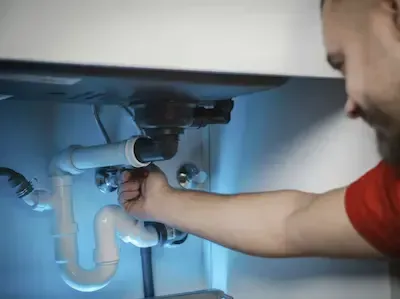
24/7 emergency plumbing for Gahanna homes — fast dispatch, transparent quotes, no after-hours markups.
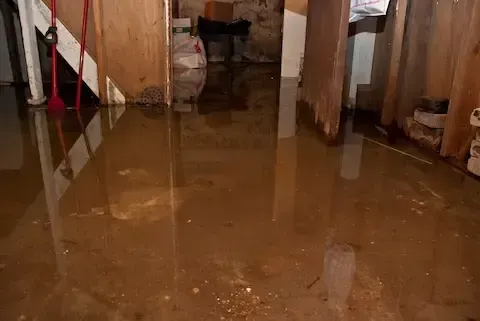
Emergency burst pipe repair for Gahanna homes — fast response on copper, CPVC, and PEX pipe systems, same-visit repair in most cases.
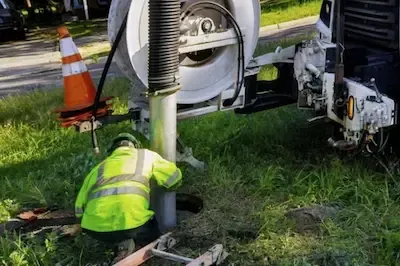
Sewer backup repair in Gahanna — mainline clearing, camera inspection, and root cause identification on every service call.
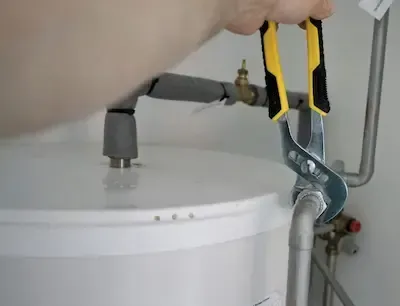
Same-day water heater repair and replacement in Gahanna — gas, electric, and tankless units serviced by licensed Franklin County plumbers.
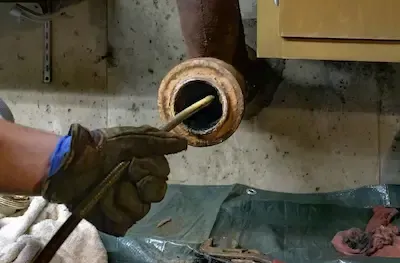
Drain cleaning in Gahanna — cable and hydro-jetting service with camera inspection to identify root causes, not just surface symptoms.
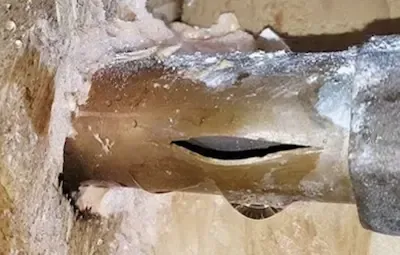
Frozen pipe detection and repair in Gahanna — fast winter response for creek-corridor and Creekside-district homes before and after failure.
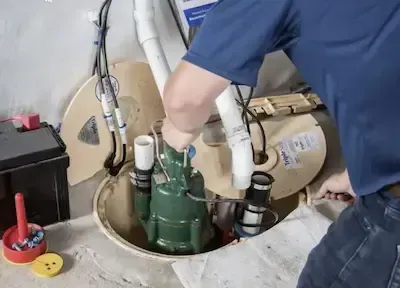
Sump pump repair and battery backup installation in Gahanna — creek-area properties protected before the next storm event arrives.
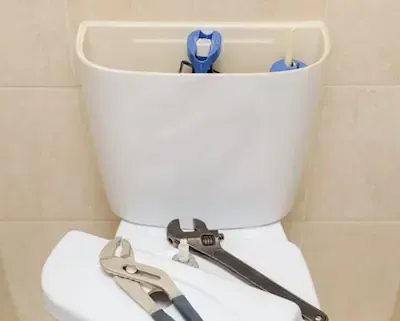
Toilet repair and replacement in Gahanna — same-day service for running toilets, clogs, wax ring failures, and complete fixture replacement.
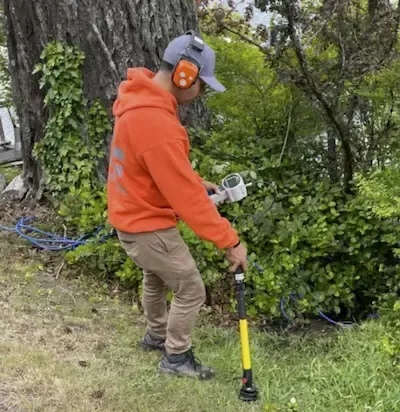
Professional leak detection in Gahanna using acoustic and thermal tools — hidden leaks located precisely without unnecessary wall or floor access.
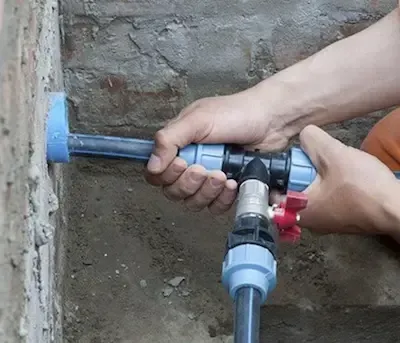
Main water line repair in Gahanna — trenchless options available, permits handled, and transparent written scope before any work begins.
Frequently Asked Questions
Plumber can be complex, and we’re here to provide answers to common questions. Here are some frequently asked questions from our clients.
Frequently Asked Questions about Emergency Plumber Gahanna OH
How fast can a plumber get to Gahanna in an emergency?
We dispatch from the Gahanna area and target arrival within 60 minutes for true emergencies. Traffic on Hamilton Road or Route 62 can affect timing, but we keep you updated from the moment you call. For active flooding or burst pipes we prioritize same-hour response.
Do you charge extra for after-hours emergency plumbing calls in Gahanna?
We do not charge hidden after-hours fees or commissions on top of your bill. You get a straight quote before we start work. Emergency plumbing at 2 a.m. carries the same transparent pricing as a daytime call — no surprises on the invoice.
What should I do while waiting for an emergency plumber in Gahanna?
For a burst pipe or active flood, locate your main water shutoff and turn it off immediately — most Gahanna homes have it in the basement near the utility wall. Move valuables off the floor if water is spreading. Do not run electrical appliances in flooded areas. Call us and we will walk you through next steps.
Does Gahanna Plumbing Pros serve the Creekside district?
Yes. We serve all Gahanna neighborhoods including the Creekside district east of Big Walnut Creek, areas along Rocky Fork, and established neighborhoods throughout the city. Creekside homes run older infrastructure that we know well — freeze exposures, cast iron drain lines, and aging water connections are common there.
Are you licensed and insured for plumbing work in Franklin County?
Yes. We carry full licensing and insurance for residential and commercial plumbing work in Franklin County, Ohio. Our license numbers are available on request and our insurance coverage protects your property from the moment we arrive.
What plumbing emergencies do you handle in the Gahanna area?
We handle burst pipes, sewer backups, frozen and thawed pipe failures, water heater emergencies, main water line breaks, active drain clogs causing overflow, sump pump failures during storm events, and toilet failures causing flooding. If water is where it should not be in a Gahanna home, we handle it.
Need Plumber?
What Our Satisfied Clients Have to Say About Gahanna Plumbing Pros
We pride ourselves on delivering great results and experiences for each client. Hear directly from home and business owners who’ve trusted us with their Plumber needs.

Pipe burst in my basement at midnight during a January cold snap. They were at the house in under an hour and had it fixed before morning. No hidden fees, no runaround — just got it done.
Marcus T.
Sewer backed up into the laundry room on a Sunday. I called three plumbers and only Gahanna Plumbing Pros picked up and came out same day. They cleared the mainline clog and showed me what caused it with the camera. Incredibly helpful.
Sandra K.
Water heater started leaking on a Friday evening. They gave me a straight price over the phone, came out Saturday morning, and had a new unit installed before noon. No surprises on the invoice.
Brian W.
The Trusted Plumber Expert Near You
Ready to hear more about expert services at Gahanna Plumbing Pros?
Contact us today to receive a detailed, no-obligation quote.
Serving Gahanna and the greater Columbus metro
24/7/365 Emergency Service - Regular Hours: Mon-Fri 7am-6pm, Sat-Sun Noon-5pm

