
Plumber & Emergency Plumbing in Granville, OH
Original Plumbing Systems and the Failures They Produce
Residential and institutional structures in Granville's historic district represent some of the most demanding environments for emergency plumbing response in Licking County — not because of complexity alone, but because of the combination of original plumbing materials, historic preservation constraints, and the high occupancy and event load that many of these structures carry. Properties along the village's historic corridors were built in the 19th and early 20th centuries, and many retain original or near-original plumbing infrastructure in the portions of the building that were not renovated during mid-century updates. Galvanized supply lines that have been in service for seventy or more years carry mineral accumulation inside the pipe wall that progressively reduces interior diameter until flow is noticeably restricted, and the wall thickness at that stage of corrosion is a fraction of what it was at installation. A pressure event, a valve operation that creates water hammer, or simply the continuation of normal use can split a section of heavily corroded galvanized pipe at a point that was not leaking the day before. Cast iron drain systems in these structures have been carrying wastewater through original pipe material for longer than most modern plumbing materials have existed as products, and the failure modes — interior corrosion, joint separation, settling-driven misalignment — are difficult to predict without camera inspection of the line condition.
Emergency Response Within Historic Property Realities
Emergency response in Granville's historic properties requires a diagnostic approach that accounts for what the structure is, not just what the failure symptom suggests. Access to plumbing systems in buildings where original plaster walls and historic flooring are present cannot follow the same wall-opening approach used in standard residential construction. Finding the failure point with minimal material access is the technical requirement, and completing a repair that does not introduce new materials or methods that conflict with the character of the existing system is the practical constraint. Properties associated with Denison University and the institutional buildings surrounding it present a higher occupancy and demand load than residential structures in the same age range, which accelerates wear on drain systems, supply connections, and fixture-level plumbing in ways that residential properties do not experience. Emergency calls from institutional Granville properties may involve drain systems serving multiple floors and multiple fixture groups simultaneously, where a failure in the main stack or a root-intruded lateral affects restrooms and utility areas across several levels at once. Granville residential properties away from the historic district but within the village carry similar infrastructure age profiles — the same era of construction, similar material choices, and comparable freeze exposure during Ohio winter events that come through this elevated terrain.
Aging Galvanized and Cast Iron Pipe Failures in Historic Structures
Galvanized supply line failures in Granville's older structures do not always present as burst events — they frequently manifest as sudden pressure drops across an entire fixture group, discolored water at first draw after a period of non-use, or a localized wet area in a wall cavity that was not present during previous inspections. The corrosion process in galvanized pipe is internal before it is external, which means a pipe that appears structurally intact on the outside may have interior corrosion advanced to the point of wall failure. When galvanized fails under pressure, the pipe wall splits or opens at the thinnest corroded section, and in historic homes where those lines run through finished walls with original plaster, the water has an immediate path into the wall system before it reaches the floor. Cast iron drain failures present differently — slow draining across multiple fixtures is the early indicator, followed by backup events when a partially obstructed line reaches full blockage. In older Granville structures where cast iron mains run beneath original concrete or stone basement floors, the repair access options are limited and the diagnostic step — confirming what the line condition actually is before committing to a repair method — is critical to avoiding a response that damages the existing system further. Emergency pipe failure response in these structures requires restraint as much as speed: moving too quickly without assessing access and material condition produces secondary damage in a historic property that may be more difficult and costly to address than the original pipe failure.
Aging Galvanized and Cast Iron Pipe Failures in Historic Structures
Sewer backup events in Granville's older village-core properties tend to involve lateral lines that were installed during the original construction period and have never been fully replaced. These lines run under yards, under sidewalk areas, and in some properties through original stone or brick-lined channels that predate modern drain pipe construction entirely. Root intrusion from the mature trees that characterize Granville's residential streets is a documented failure driver — tree roots follow moisture gradients into any available entry point in an aging lateral, and the bell-and-spigot joints in original clay tile or cast iron sections provide exactly those entry points as the surrounding soil moves through decades of freeze-thaw cycles. Backup events in these properties can reflect sewer gas odors and slow drain conditions for some time before a full obstruction occurs, and many Granville homeowners learn to associate that pattern with an approaching lateral failure. When a full backup occurs in a historic home, the response priority is containment followed by diagnosis — confirming whether the blockage is clearable or whether a section has collapsed and requires excavation and repair before normal drain function can be restored. The village environment also means that any excavation near the structure or within the right-of-way requires coordination that adds planning steps to what would otherwise be a straightforward repair in a newer subdivision context.
Aging Galvanized and Cast Iron Pipe Failures in Historic Structures
Emergency plumbing response in Granville's historic structures requires competence in accessing systems in ways that preserve what surrounds them. In a standard residential emergency, wall access to reach a failed supply line involves cutting drywall in a location that can be patched without visible consequence. In a historic Granville property, the same access decision involves original plaster on brick or lath, decorative wall surfaces, or flooring materials that cannot simply be cut and replaced. The technical approach to locating a failure point in these conditions — using pressure testing, thermal imaging indication, or careful sequential isolation of branches — is different from the standard walk-in-and-open-the-wall approach. Water heater replacement in older Granville structures presents practical constraints as well: older units in narrow basement utility areas or in closet spaces with limited clearance may require a different unit configuration or a change in fuel type, and the replacement needs to be completed in a single emergency visit rather than staged across multiple days. Properties that carry a combination of original plumbing in their historic portions and modern plumbing installed during later renovations require understanding where the system transitions from one era to the other, because the failure point and the shutoff strategy for each section are different. Arriving with that awareness built into the response approach, rather than discovering it after the work has begun, is what makes emergency service effective in Granville's distinctive property environment.
Comprehensive Plumber Services in Gahanna
Tailored to Your Needs
From burst pipe emergencies at 2 a.m. to water heater replacements and sewer backup clearing, Gahanna Plumbing Pros covers the full range of residential plumbing needs across Gahanna and the surrounding corridor. Every service starts with a straight quote.
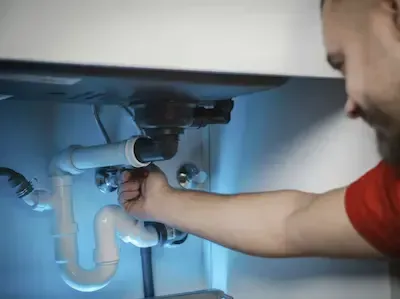
24/7 emergency plumbing for Gahanna homes — fast dispatch, transparent quotes, no after-hours markups.
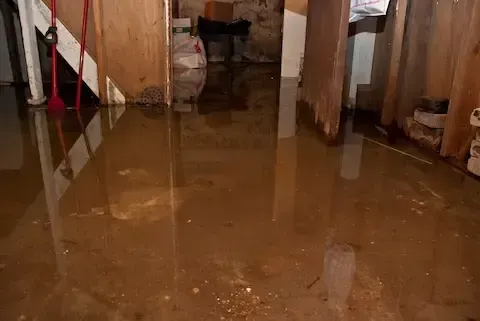
Emergency burst pipe repair for Gahanna homes — fast response on copper, CPVC, and PEX pipe systems, same-visit repair in most cases.
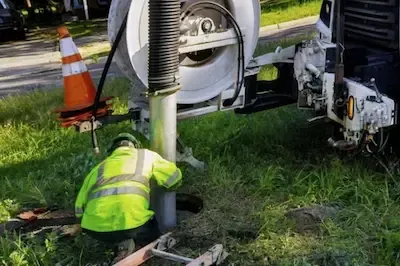
Sewer backup repair in Gahanna — mainline clearing, camera inspection, and root cause identification on every service call.
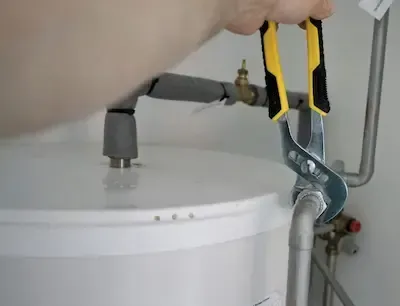
Same-day water heater repair and replacement in Gahanna — gas, electric, and tankless units serviced by licensed Franklin County plumbers.
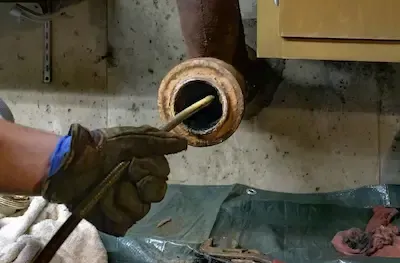
Drain cleaning in Gahanna — cable and hydro-jetting service with camera inspection to identify root causes, not just surface symptoms.
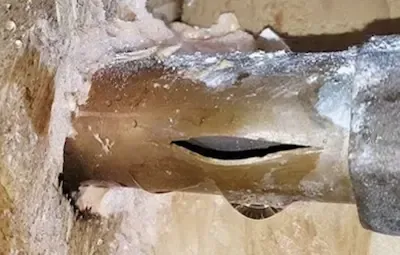
Frozen pipe detection and repair in Gahanna — fast winter response for creek-corridor and Creekside-district homes before and after failure.
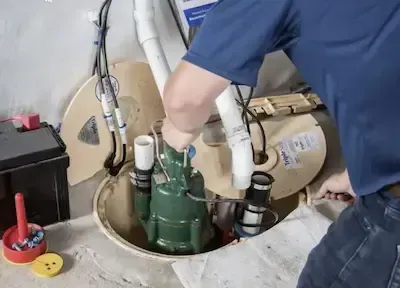
Sump pump repair and battery backup installation in Gahanna — creek-area properties protected before the next storm event arrives.
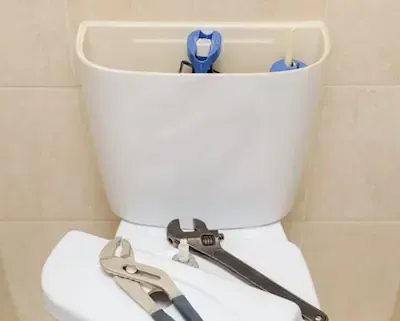
Toilet repair and replacement in Gahanna — same-day service for running toilets, clogs, wax ring failures, and complete fixture replacement.
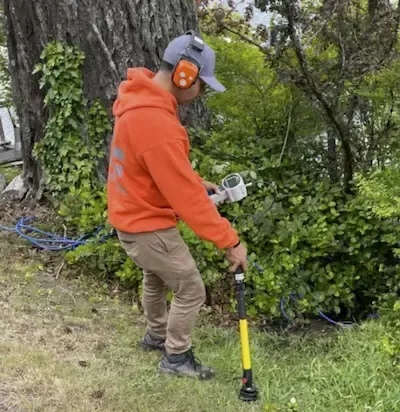
Professional leak detection in Gahanna using acoustic and thermal tools — hidden leaks located precisely without unnecessary wall or floor access.
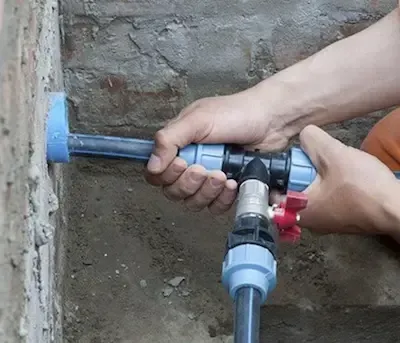
Main water line repair in Gahanna — trenchless options available, permits handled, and transparent written scope before any work begins.
Frequently Asked Questions
Plumber can be complex, and we’re here to provide answers to common questions. Here are some frequently asked questions from our clients.
Frequently Asked Questions about Emergency Plumber Gahanna OH
How fast can a plumber get to Gahanna in an emergency?
We dispatch from the Gahanna area and target arrival within 60 minutes for true emergencies. Traffic on Hamilton Road or Route 62 can affect timing, but we keep you updated from the moment you call. For active flooding or burst pipes we prioritize same-hour response.
Do you charge extra for after-hours emergency plumbing calls in Gahanna?
We do not charge hidden after-hours fees or commissions on top of your bill. You get a straight quote before we start work. Emergency plumbing at 2 a.m. carries the same transparent pricing as a daytime call — no surprises on the invoice.
What should I do while waiting for an emergency plumber in Gahanna?
For a burst pipe or active flood, locate your main water shutoff and turn it off immediately — most Gahanna homes have it in the basement near the utility wall. Move valuables off the floor if water is spreading. Do not run electrical appliances in flooded areas. Call us and we will walk you through next steps.
Does Gahanna Plumbing Pros serve the Creekside district?
Yes. We serve all Gahanna neighborhoods including the Creekside district east of Big Walnut Creek, areas along Rocky Fork, and established neighborhoods throughout the city. Creekside homes run older infrastructure that we know well — freeze exposures, cast iron drain lines, and aging water connections are common there.
Are you licensed and insured for plumbing work in Franklin County?
Yes. We carry full licensing and insurance for residential and commercial plumbing work in Franklin County, Ohio. Our license numbers are available on request and our insurance coverage protects your property from the moment we arrive.
What plumbing emergencies do you handle in the Gahanna area?
We handle burst pipes, sewer backups, frozen and thawed pipe failures, water heater emergencies, main water line breaks, active drain clogs causing overflow, sump pump failures during storm events, and toilet failures causing flooding. If water is where it should not be in a Gahanna home, we handle it.
Need Plumber?
What Our Satisfied Clients Have to Say About Gahanna Plumbing Pros
We pride ourselves on delivering great results and experiences for each client. Hear directly from home and business owners who’ve trusted us with their Plumber needs.

Pipe burst in my basement at midnight during a January cold snap. They were at the house in under an hour and had it fixed before morning. No hidden fees, no runaround — just got it done.
Marcus T.
Sewer backed up into the laundry room on a Sunday. I called three plumbers and only Gahanna Plumbing Pros picked up and came out same day. They cleared the mainline clog and showed me what caused it with the camera. Incredibly helpful.
Sandra K.
Water heater started leaking on a Friday evening. They gave me a straight price over the phone, came out Saturday morning, and had a new unit installed before noon. No surprises on the invoice.
Brian W.
The Trusted Plumber Expert Near You
Ready to hear more about expert services at Gahanna Plumbing Pros?
Contact us today to receive a detailed, no-obligation quote.
Serving Gahanna and the greater Columbus metro
24/7/365 Emergency Service - Regular Hours: Mon-Fri 7am-6pm, Sat-Sun Noon-5pm

