Frozen Pipe Repair Gahanna OH: Thaw, Stop, Replace
Understanding Frozen Pipe Emergencies in Gahanna
When temperatures drop in Gahanna, your home's plumbing system faces serious risks. Frozen pipes can burst without warning, causing thousands of dollars in water damage within hours. The key to minimizing damage lies in quick identification, proper thawing techniques, and knowing when professional intervention becomes necessary.
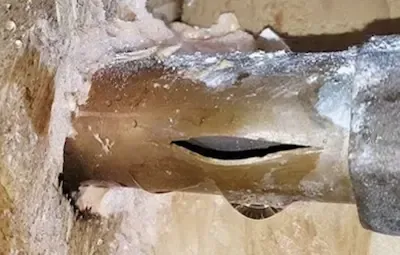
Frozen pipes typically occur in unheated areas like basements, crawl spaces, attics, and exterior walls. In Gahanna's climate, pipes are most vulnerable during overnight temperature drops and extended cold snaps. The expansion of freezing water creates immense pressure inside pipes, often leading to cracks or complete ruptures that may not become apparent until the ice melts.
Early warning signs include reduced water flow from faucets, strange sounds from pipes when you turn on water, and visible frost on exposed pipes. If you notice any of these symptoms, immediate action can prevent a minor inconvenience from becoming a major disaster requiring extensive Frozen Pipe Repair services.
Safe Thawing Methods for Frozen Pipes
Before attempting any thawing procedure, turn off the main water supply to prevent flooding if a pipe has already burst. Open faucets connected to the frozen pipe to allow melting ice to flow out and relieve pressure buildup. Never use open flames, blowtorches, or other high-heat sources, as these can damage pipes and create fire hazards.
Start with the gentlest methods first. Hair dryers work effectively for accessible pipes, allowing you to control heat application and monitor progress. Keep the dryer moving to prevent overheating any single spot. Space heaters can warm entire rooms containing frozen pipes, but ensure they're placed safely away from flammable materials and never left unattended.
Hot towels soaked in warm water provide another safe option. Wrap towels around the frozen section and replace them frequently as they cool. Electric heating pads set on low can also work for pipes within reach. For pipes inside walls, increase the room temperature and open cabinet doors under sinks to allow warm air circulation.
Pipe heating cables represent a more permanent solution for frequently freezing locations. These electrical cables wrap around pipes and provide consistent low-level heat. Installation requires careful attention to manufacturer instructions and proper electrical connections to avoid safety hazards.
Identifying Hidden Pipe Damage
Not all frozen pipe damage becomes immediately obvious. Hairline cracks may not leak until water pressure increases or the pipe experiences thermal expansion. After thawing, monitor water pressure throughout your home and check for unexpected increases in your water bill over the following weeks.
Inspect accessible pipe sections for bulging, discoloration, or small drips that could indicate compromised integrity. Pay special attention to joints and fittings, where freezing damage often occurs first. Strange noises like banging or whistling when water runs can signal internal damage or air pockets created by burst pipes.
Wall and ceiling stains may appear days after the initial freezing incident as water slowly seeps through damaged pipes. Musty odors can indicate hidden water damage behind walls or in crawl spaces. If you suspect hidden damage but cannot locate the source, professional inspection becomes essential to prevent mold growth and structural damage.
Document any damage with photos for insurance purposes and keep records of repair costs. Many homeowner's insurance policies cover sudden pipe bursts but may have specific requirements for reporting and professional assessment.
Emergency Response Procedures
When you discover a burst pipe, every minute counts. Immediately shut off the main water supply to your home, typically located near the street or where the main line enters your house. If you cannot locate the main shutoff, contact your water utility company for assistance while beginning damage mitigation efforts.
Remove standing water as quickly as possible using mops, towels, or wet vacuums. Move furniture, electronics, and valuable items away from affected areas. Open windows and doors if weather permits to increase air circulation and begin the drying process.
Contact your insurance company to report the damage and begin the claims process. Take extensive photos of all damage before cleanup begins, as these will be essential for insurance documentation. Keep receipts for all emergency supplies and temporary repairs.
For extensive damage or if water has reached electrical outlets or appliances, consider calling an electrician before attempting cleanup. Water and electricity create dangerous combinations that require professional assessment.
Common Mistakes During Frozen Pipe Situations
Many homeowners make critical errors when dealing with frozen pipes that can worsen the situation or create safety hazards. Using excessive heat sources like blowtorches or open flames can damage pipes, start fires, or cause rapid expansion that leads to bursting. Always choose gradual warming methods over quick fixes.
Ignoring frozen pipes hoping they will resolve on their own often leads to burst pipes and extensive water damage. Even if water flow returns temporarily, underlying damage may have occurred that will cause problems later. Address freezing issues immediately rather than waiting for warmer weather.
Attempting to thaw pipes without first shutting off the water supply can result in immediate flooding when ice blockages clear. This mistake has caused thousands of dollars in unnecessary water damage for Gahanna homeowners who thought they were saving time.
Over-pressurizing the system by forcing water through partially frozen pipes can cause bursts in weakened sections. Allow natural thawing processes to work rather than cranking faucets to maximum flow when you first notice reduced water pressure.
Prevention Strategies for Gahanna Winters
Preventing frozen pipes requires understanding your home's vulnerable areas and taking proactive steps before cold weather arrives. Insulate exposed pipes in basements, crawl spaces, and attics using pipe sleeves, heat tape, or newspaper wrapping for temporary protection.
Maintain consistent indoor temperatures, especially in areas containing plumbing. Set your thermostat no lower than 55 degrees when traveling during winter months. Open cabinet doors under sinks to allow warm air to circulate around pipes, particularly those on exterior walls.
Allow faucets to drip slightly during extremely cold nights. Moving water resists freezing better than stagnant water, and the slight flow can prevent ice formation in vulnerable pipe sections. This technique works particularly well for faucets on exterior walls or in unheated areas.
Seal air leaks around pipes where they pass through walls, floors, or ceilings. Cold air infiltration can cause localized freezing even in otherwise warm areas. Use caulk or expanding foam to close gaps, but ensure you maintain proper ventilation requirements.
Consider upgrading plumbing in chronically problematic areas. Moving pipes away from exterior walls or adding proper insulation can solve recurring freezing issues permanently. Professional consultation can identify the most cost-effective solutions for your specific situation.
Local Considerations for Gahanna Properties
Gahanna's housing stock includes many older homes with plumbing systems that may not meet current standards for freeze protection. Homes built before modern insulation requirements often have pipes in vulnerable locations that require special attention during winter months.
The area's clay soil conditions can affect basement temperatures and humidity levels, influencing how pipes respond to freezing conditions. Properties near the Big Walnut Creek or other water features may experience different freezing patterns due to local humidity and temperature variations.
Local building codes have evolved over the decades, meaning newer Gahanna subdivisions typically have better freeze protection than older neighborhoods near downtown. Understanding your home's construction era can help you anticipate potential problem areas and prepare accordingly.
Municipal water pressure variations throughout Gahanna can affect how quickly frozen pipes clear and how much pressure builds up during thawing. Higher pressure areas may experience more severe damage when pipes burst, while lower pressure areas might have slower thaw times.
Professional Assessment and Repair Services
While minor frozen pipe situations can often be handled by homeowners, certain circumstances require professional intervention. Pipes inside walls, underground lines, and main service connections should always be assessed by qualified plumbers who have specialized equipment for detection and repair.
Professional services include thermal imaging to locate frozen sections within walls, high-pressure thawing equipment for stubborn blockages, and permanent repair solutions for damaged pipe sections. Experienced technicians can also identify underlying problems that contributed to freezing and recommend preventive measures.
Emergency plumbing services in Gahanna understand local conditions and common problem areas specific to the region. They carry appropriate materials for various pipe types commonly found in area homes and can provide permanent solutions rather than temporary fixes.
When choosing repair services, consider companies that offer 24-hour emergency response, proper licensing and insurance, and experience with frozen pipe situations. Get multiple estimates for extensive repairs and ensure all work meets local building codes and permit requirements.
Professional services become essential when dealing with insurance claims, as many policies require certified contractor estimates and repairs. Having professional documentation of damage and proper repairs can significantly impact claim approval and settlement amounts. For comprehensive guidance on winter plumbing issues, homeowners often benefit from water heater help in Gahanna services that address multiple cold-weather plumbing concerns.
For more on this, see our guide to preventing frozen pipes before winter.
