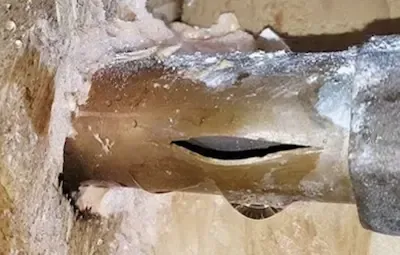
Off-Season Frozen Pipe Prevention in Gahanna OH Homes
Frozen pipes cause thousands of dollars in damage to Gahanna homes every winter, but most homeowners wait until the first freeze warning to take action. Smart prevention starts during the warmer months when you have time to properly insulate vulnerable areas and address weak points before temperatures drop. Taking proactive steps now protects your plumbing investment and prevents the stress of burst pipes during Ohio's harsh winter months.
Understanding Vulnerable Areas in Gahanna Homes
Gahanna's climate creates specific challenges for home plumbing systems. Pipes in crawl spaces, basements, and attached garages face the highest risk during winter freezes. Exterior walls on the north side of homes receive less sunlight and stay colder longer, making pipes in these locations particularly vulnerable. Homes built before 1990 often have inadequate insulation around plumbing lines, especially where pipes enter through foundation walls or travel through unheated spaces.
Kitchen and bathroom pipes located on exterior walls frequently freeze first because they're exposed to outside temperatures through the wall cavity. Pipes under mobile homes or in manufactured housing face extreme exposure without proper skirting and insulation. Water lines running through attached garages or utility rooms without heating systems also require special attention during Ohio's sub-zero temperature swings.
Essential Pipe Insulation Techniques for Ohio Weather
Pipe insulation comes in several forms, each suited for different situations in your Gahanna home. Foam pipe sleeves provide basic protection for pipes in heated basements and are easy to install around straight runs of copper or PVC piping. For irregular pipe shapes or areas with joints and fittings, self-adhesive foam tape wraps around curves and connections effectively.
Fiberglass insulation works well for pipes in wall cavities, but requires proper vapor barrier installation to prevent moisture problems. Heat tape or heat cables offer active protection for extremely vulnerable areas, but must be installed according to manufacturer specifications to avoid fire hazards. Professional Frozen Pipe Repair services can assess your home's specific needs and recommend the most effective insulation strategy for your situation.
Pipe insulation thickness matters significantly in Ohio's climate. Standard half-inch thick foam provides minimal protection, while three-quarter-inch or thicker insulation offers substantially better freeze protection. Pay special attention to pipe joints, elbows, and connections where heat loss occurs rapidly through metal fittings.
Crawl Space and Basement Winterization Steps
Crawl spaces represent the most common source of frozen pipe problems in Gahanna homes. Proper ventilation management involves closing foundation vents during winter months while ensuring adequate moisture control to prevent mold and structural issues. Install rigid foam board insulation on foundation walls rather than between floor joists to create a warmer environment for your plumbing.
Basement preparations include sealing air leaks around pipe penetrations through foundation walls and insulating hot water lines to maintain temperature during circulation. Check basement windows for proper sealing and consider temporary plastic sheeting over windows near plumbing lines. Ensure your basement maintains temperatures above 55 degrees throughout winter by adjusting heating vents or installing supplemental heating if necessary.
Address moisture issues before winter arrives, as wet insulation loses effectiveness and can contribute to pipe freeze problems. Repair any foundation cracks or leaks that allow cold air infiltration around your plumbing system.
Exterior Line Protection and Spigot Maintenance
Outdoor water spigots and hose connections require specific attention before Gahanna's first freeze. Disconnect and drain all garden hoses, allowing water to drain completely from spigot threads. Install insulated spigot covers over each outdoor faucet, ensuring the cover extends over the pipe connection inside the wall cavity.
Shut off interior valves controlling outdoor spigots and drain remaining water from the lines. Many Gahanna homes have frost-free spigots, but these still require hose disconnection to function properly. Pipes feeding outdoor spigots often run through exterior walls with minimal insulation, making them prime candidates for additional protection.
Swimming pool and irrigation lines need complete drainage and proper winterization to prevent expensive damage. Sprinkler systems require professional blowout services to remove all water from underground lines and above-ground components.
Common Prevention Mistakes Gahanna Homeowners Make
Many homeowners assume that leaving faucets dripping provides adequate freeze protection, but this technique only works for active pipe runs and wastes significant amounts of water. Relying solely on heat tape without proper insulation creates energy waste and potential fire hazards if the heating elements fail or are installed incorrectly.
Installing insulation only on exposed pipes while ignoring pipes in wall cavities leaves major vulnerabilities unaddressed. Some homeowners use newspapers or old rags as insulation materials, but these provide minimal protection and can create fire hazards near heating equipment. For comprehensive protection, consider consulting with frozen pipe help for homeowners to identify all potential problem areas.
Waiting until the first freeze warning to begin prevention efforts often leaves insufficient time for proper preparation. Many hardware stores sell out of insulation materials during the first cold snap, leaving unprepared homeowners without options during critical periods.
Professional Assessment and Long-term Solutions
Professional plumbing evaluations identify hidden vulnerabilities that homeowners commonly overlook. Thermal imaging cameras reveal heat loss patterns around pipes and highlight areas needing attention. Licensed plumbers can recommend permanent solutions like pipe relocation, improved insulation, or heating system modifications that provide long-term freeze protection.
Consider upgrading older plumbing systems with modern freeze-resistant features. PEX piping expands slightly when frozen, reducing burst potential compared to rigid copper pipes. Professional installation ensures proper support and insulation for maximum effectiveness.
Whole-house solutions like improved heating distribution or foundation insulation upgrades provide comprehensive protection while improving overall energy efficiency. These investments often pay for themselves through reduced heating costs and eliminated freeze damage repairs.
Maintaining Prevention Systems Throughout Winter
Successful freeze prevention requires ongoing attention throughout Ohio's winter months. Regular temperature monitoring in vulnerable areas helps identify when additional protection becomes necessary. Check insulation integrity monthly, replacing damaged or displaced materials promptly.
Monitor weather forecasts for extreme cold warnings and take additional precautions during severe weather events. Keep cabinet doors open under kitchen and bathroom sinks during extreme cold to allow warm air circulation around pipes. Maintain consistent indoor temperatures even when traveling, as unheated homes face significantly higher freeze risks.
Document your prevention efforts and their effectiveness for future reference. Note which areas required additional attention and which strategies provided the best protection for your specific Gahanna home layout and exposure conditions.
