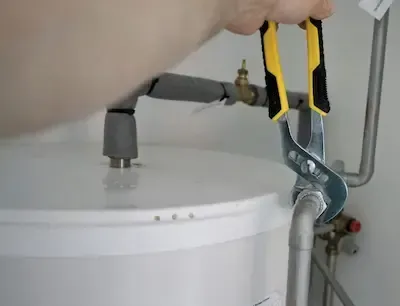
Water Heater Repair Gahanna OH: Why Your Tank Failed
When your water heater stops working in Gahanna OH, understanding why it failed helps you make informed repair decisions. Tank water heaters typically last 8-12 years, while tankless systems can operate effectively for 15-20 years with proper maintenance. However, several factors unique to central Ohio's water conditions and climate can accelerate failure and require professional intervention.
Common Water Heater Failure Modes in Gahanna
Sediment buildup ranks as the leading cause of water heater failure in Gahanna due to the area's moderately hard water supply. The Delaware County water system delivers water with mineral content that gradually accumulates in your tank's bottom. This sediment layer insulates the heating element from the water, forcing your system to work harder and consume more energy.
Corrosion represents another significant failure mechanism. The combination of oxygen, water, and metal creates rust that weakens tank walls and internal components. Gahanna's water chemistry, while treated, still contains dissolved minerals that accelerate this electrochemical process over time.
Heating element failure affects electric water heaters most commonly. The upper and lower elements operate in sequence, and when one fails, you experience reduced hot water capacity or complete loss of heating. Gas water heaters face similar issues with thermocouple failures, which shut down the gas supply as a safety measure.
Thermostat malfunctions cause temperature regulation problems. Your water becomes either dangerously hot or insufficiently warm. Modern units include multiple safety systems, but older thermostats can stick in position or lose calibration, requiring professional Water Heater Repair to restore proper operation.
Diagnosing Your Water Heater Problems
Temperature inconsistencies signal several potential issues. If your water alternates between hot and cold during use, you likely have a failing dip tube that allows cold incoming water to mix with heated water at the tank's top. This plastic component deteriorates over time and requires tank access for replacement.
Strange noises indicate sediment problems or heating element issues. Popping, crackling, or rumbling sounds occur when water bubbles through accumulated sediment or when heating elements cycle on and off rapidly due to mineral buildup. These sounds typically worsen over time without professional intervention.
Water discoloration suggests internal tank corrosion or anode rod depletion. Brown, red, or metallic-tasting water indicates rust formation, while a sulfur smell points to bacterial growth in the tank environment. Both conditions require immediate professional assessment to prevent complete system failure.
Pressure relief valve activation signals dangerous pressure buildup. If you notice water discharge from the relief valve pipe, your thermostat may be malfunctioning, or excessive pressure is building inside the tank. This represents a safety hazard requiring immediate professional attention.
Repair Versus Replacement Considerations
Age serves as the primary replacement factor. Units over 10 years old often cost more to repair than replace, especially when multiple components fail simultaneously. Gahanna homeowners typically see better long-term value from replacement rather than extensive repairs on aging systems.
Repair costs vary significantly based on the specific failure mode. Simple thermostat replacement ranges from $200-400, while heating element replacement costs $300-600 depending on accessibility. Tank replacement starts around $1,200 for basic units and can exceed $3,000 for high-efficiency models with professional installation.
Energy efficiency improvements justify replacement in many cases. Modern units operate 20-30% more efficiently than models from the early 2010s. Gahanna residents often recover replacement costs through reduced utility bills within 3-5 years, particularly when upgrading from older electric units to newer gas models.
Warranty coverage affects repair decisions significantly. Units under warranty typically favor repair, while out-of-warranty systems over 8 years old often make better candidates for replacement. Professional technicians can assess warranty status and recommend the most cost-effective approach.
Tankless Water Heater Failure Patterns
Scale buildup affects tankless units differently than traditional tanks. The narrow passages in heat exchangers become blocked more quickly, reducing flow rates and heating efficiency. Gahanna's water conditions require annual descaling for optimal performance, and neglecting this maintenance leads to premature failure.
Ignition system failures plague gas tankless units, particularly during Gahanna's cold winters. Condensation in venting systems can affect electronic ignition components, while extreme temperature variations stress internal sensors and control boards.
Flow sensor problems cause intermittent operation. These units require minimum flow rates to activate, and sensor malfunctions prevent proper startup even with adequate demand. Mineral deposits on sensors create false readings that disrupt normal operation cycles.
Venting issues specifically affect gas tankless installations. Improper venting leads to combustion problems and safety shutdowns. Ohio's building codes require specific venting configurations that must be maintained for safe operation throughout the unit's lifespan.
Prevention and Maintenance Strategies
Annual flushing removes sediment before it causes damage. This process involves draining the tank completely and refilling while circulating water to remove accumulated minerals. Professional technicians have specialized equipment to perform this service efficiently without damaging internal components.
Anode rod replacement extends tank life significantly. These sacrificial metal rods attract corrosive elements that would otherwise attack the tank walls. Replacement every 3-5 years prevents internal corrosion and doubles typical tank lifespan in Gahanna's water conditions.
Temperature setting optimization balances efficiency and component longevity. Settings above 140°F accelerate mineral precipitation and component wear, while temperatures below 120°F allow bacterial growth. The optimal setting for most Gahanna homes falls between 120-130°F.
Insulation upgrades reduce energy consumption and component stress. Tank blankets and pipe insulation minimize heat loss, reducing heating cycles and extending component life. These improvements typically pay for themselves within two years through reduced energy costs.
Emergency Situations and Safety Considerations
Water leaks require immediate attention regardless of size. Even small leaks indicate tank wall failure that will worsen rapidly. Gahanna's cold winters can freeze leaked water, causing additional damage to surrounding structures and increasing repair complexity.
Gas leaks demand emergency response. Natural gas odors near your water heater require immediate evacuation and professional service. Never attempt repairs on gas connections or control systems without proper training and licensing.
Electrical hazards accompany water heater failures. Water and electricity create dangerous combinations, particularly when tank leaks affect nearby electrical components. Professional assessment ensures safe repair procedures and prevents electrocution risks.
Carbon monoxide risks affect gas water heaters with damaged venting systems. Improper combustion or blocked vents can produce this deadly gas. Installing carbon monoxide detectors near gas appliances provides early warning of dangerous conditions requiring immediate professional intervention.
For additional plumbing emergency information, reference our sewer backup primer which covers related emergency plumbing situations common in central Ohio homes.
Professional Assessment and Repair Options
Diagnostic equipment helps identify specific failure causes before recommending repairs. Professional technicians use specialized tools to measure water temperature, pressure, and electrical continuity without disassembling major components. This approach prevents unnecessary repairs and ensures accurate problem identification.
Component replacement often costs less than complete unit replacement when caught early. Heating elements, thermostats, and relief valves can be replaced individually, extending system life at reasonable cost. However, multiple simultaneous failures typically indicate systemic problems requiring complete replacement.
Code compliance affects all repair work in Gahanna. Ohio plumbing codes require specific installation standards for safety and efficiency. Professional repairs ensure compliance with current codes, which protects your investment and maintains insurance coverage validity.
Permit requirements apply to major repairs and all replacements. Gahanna building department oversight ensures proper installation and safety compliance. Professional contractors handle permit applications and inspections, simplifying the process for homeowners while ensuring legal compliance.
For more on this, see our guide to 5 signs your water heater is about to fail.
