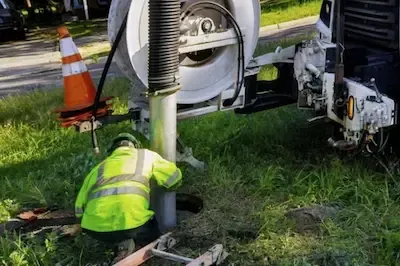
Sewer Backup Repair Gahanna OH: Causes & Fast Fixes
Sewer backups in Gahanna homes create urgent situations that demand immediate attention. Raw sewage entering your basement or lower levels poses serious health risks and can cause thousands of dollars in property damage within hours. Understanding the common causes, your responsibilities as a property owner, and available repair options helps you respond effectively when this plumbing emergency strikes your home.
Understanding Sewer Backup Causes in Gahanna
Sewer backups occur when wastewater cannot flow properly through your home's drainage system or the city's main sewer lines. Several factors contribute to these problematic situations in Gahanna residential properties.
Tree root intrusion represents one of the most common causes of sewer line blockages. Mature trees throughout Gahanna's established neighborhoods send roots toward moisture sources, including sewer lines. These roots can penetrate pipe joints and create substantial blockages over time. Oak, maple, and willow trees pose particular risks due to their extensive root systems.
Aging infrastructure also contributes significantly to sewer backup issues. Many Gahanna homes built before 1980 feature clay or cast iron sewer pipes that deteriorate over decades. These materials crack, collapse, or develop significant corrosion that restricts water flow and creates backup conditions.
Heavy rainfall events can overwhelm both private and municipal sewer systems. Gahanna's combined sewer areas experience particular challenges during storm events when stormwater and sewage share the same pipes. When capacity exceeds system limits, sewage backs up into the lowest available points, typically basement drains and floor drains.
Grease accumulation, foreign objects, and improper disposal practices also create blockages. Items like feminine hygiene products, baby wipes, and excessive toilet paper can combine with grease to form solid blockages that prevent proper drainage.
Property Owner Responsibilities vs Municipal Coverage
Understanding responsibility boundaries helps property owners navigate repair costs and insurance claims effectively. In Gahanna, property owners typically maintain responsibility for sewer lateral lines from their home to the property line or main sewer connection point.
Private sewer laterals include all piping, connections, and related infrastructure on your property. When blockages or damage occur within these lines, homeowners bear full responsibility for repairs and associated costs. This coverage extends from your home's foundation to the point where your lateral connects with the city's main sewer line.
Municipal responsibility covers main sewer lines, manholes, and infrastructure within public rights-of-way. However, proving that a backup originated from municipal system failure rather than private lateral issues requires professional assessment and documentation.
Some situations create gray areas where responsibility becomes disputed. Sewer Backup Repair professionals can help determine the source of backups and provide documentation needed for insurance claims or municipal appeals.
Insurance coverage varies significantly depending on your policy terms and backup causes. Standard homeowner's insurance typically excludes sewer backup damage unless you purchase additional sewer backup coverage. This optional coverage protects against damage caused by sewer line failures, but may not cover repairs to the actual sewer lines themselves.
Documentation Requirements for Claims
Proper documentation supports successful insurance claims and potential municipal appeals. Professional plumbers provide detailed reports identifying backup sources, damage extent, and recommended repairs. Video camera inspections offer visual proof of pipe conditions and blockage locations.
Photograph all damage areas before cleanup begins. Document water levels, affected belongings, and structural damage. Professional restoration companies provide detailed estimates that support insurance claims and help establish repair priorities.
Immediate Response Actions for Active Backups
Quick response during active sewer backups minimizes health risks and property damage. Your immediate priorities focus on safety, damage control, and professional assistance.
Stop using all water fixtures immediately when you discover sewage backup. Additional water use worsens the situation by adding more volume to an already compromised system. This includes toilets, sinks, washing machines, and dishwashers throughout your home.
Evacuate affected areas and restrict access, especially for children and pets. Raw sewage contains dangerous bacteria, viruses, and parasites that cause serious illness through direct contact or airborne exposure. Basement areas require particular caution due to poor ventilation and concentrated contamination.
Turn off electricity to affected areas if standing water exists. Water and electricity create deadly combinations, and sewage water conducts electricity effectively. Contact your utility company if you cannot safely access electrical panels or shut-off switches.
Contact emergency plumbing services immediately. Professional assessment determines backup causes and appropriate repair strategies. Many Gahanna plumbing companies offer 24-hour emergency services for urgent sewer backup situations.
Health and Safety Precautions
Personal protective equipment becomes essential when dealing with sewage contamination. Wear rubber boots, waterproof gloves, and protective clothing when entering contaminated areas. N95 or higher-rated masks help reduce airborne pathogen exposure.
Ventilate affected areas by opening windows and using fans to improve air circulation. However, avoid spreading contamination to clean areas of your home. Contain cleanup activities to affected zones whenever possible.
Professional Repair Methods and Technologies
Modern sewer repair techniques offer multiple options depending on damage extent, pipe materials, and access limitations. Professional contractors assess each situation to recommend the most effective and economical repair approach.
Traditional excavation methods involve digging to expose damaged pipe sections for replacement or repair. While disruptive to landscaping and hardscaping, excavation provides complete access for extensive repairs and allows for thorough inspection of surrounding soil conditions.
Trenchless repair technologies minimize property disruption while addressing many common sewer line problems. Pipe lining involves inserting a new liner into existing pipes, essentially creating a new pipe within the old one. This method works well for pipes with minor damage or root intrusion issues.
Pipe bursting techniques replace entire sewer lines without extensive excavation. A new pipe gets pulled through the old line while simultaneously breaking up the existing pipe. This approach works effectively for severely damaged or undersized sewer laterals.
Hydro jetting removes blockages using high-pressure water streams that cut through roots, grease, and debris accumulations. This cleaning method often restores full flow capacity to partially blocked lines and can prevent future backup incidents.
Video Camera Inspection Benefits
Video camera inspections provide accurate diagnosis of sewer line conditions without destructive digging. High-resolution cameras travel through pipes, transmitting real-time images that reveal blockage locations, pipe damage, and overall system condition.
These inspections help contractors develop targeted repair strategies that address specific problems rather than guessing at solutions. Video documentation also supports insurance claims and helps establish repair priorities when multiple issues exist.
Prevention Strategies for Gahanna Homeowners
Proactive maintenance significantly reduces sewer backup risks and extends the life of your home's drainage infrastructure. Regular care and smart usage practices prevent many common problems that lead to costly emergencies.
Schedule periodic professional drain cleaning to remove accumulating debris before it creates blockages. Most homes benefit from annual or bi-annual cleaning services, though homes with large trees or older pipes may require more frequent attention.
Monitor what enters your drainage system carefully. Avoid flushing non-biodegradable items, excessive toilet paper, or personal care products. Kitchen drains require particular attention to prevent grease and food waste accumulation that contributes to blockages.
Install backwater valves in basement floor drains and other low-level drainage points. These devices prevent sewage from backing up into your home during system overload conditions, though they require professional installation and periodic maintenance.
Consider replacing aging sewer laterals before they fail completely. Proactive replacement costs significantly less than emergency repairs and prevents the health risks and property damage associated with sewage backups. In cases where immediate replacement isn't feasible, stopping burst pipe damage fast through temporary repairs can buy time for proper planning.
Landscaping Considerations
Strategic landscaping choices help protect your sewer lines from root intrusion damage. Plant trees and large shrubs away from known sewer line paths, typically running from your home toward the street or alley connection point.
Choose plants with less aggressive root systems for areas near sewer lines. Shallow-rooted groundcovers, small ornamental plants, and grass present minimal risks to underground infrastructure compared to large trees or invasive species.
Cost Factors and Financing Options
Sewer backup repairs involve various cost components that depend on damage extent, repair methods, and restoration requirements. Understanding typical expenses helps homeowners budget for these unexpected emergencies.
Emergency service calls typically cost more than scheduled repairs due to after-hours labor rates and urgent response requirements. However, immediate professional intervention often reduces overall costs by preventing additional damage and health hazards.
Repair costs vary significantly based on chosen methods and project scope. Simple blockage removal might cost a few hundred dollars, while complete sewer lateral replacement can reach several thousand dollars depending on distance, depth, and site conditions.
Water damage restoration represents additional expense beyond the actual pipe repairs. Professional cleanup, dehumidification, and restoration services help prevent mold growth and structural damage that could create long-term problems.
Many contractors offer financing options for major repairs, recognizing that sewer emergencies rarely align with household budgets. Some utility companies also provide low-interest loans or rebate programs for sewer lateral improvements that benefit the overall municipal system.
Insurance Considerations
Review your homeowner's insurance policy to understand sewer backup coverage limitations and requirements. Additional sewer backup coverage typically costs modest amounts but provides significant protection against cleanup and restoration expenses.
Document all damage and repairs thoroughly to support insurance claims. Professional contractors provide detailed invoices and damage assessments that insurers require for claim processing.
Choosing Qualified Repair Contractors
Selecting experienced sewer repair contractors ensures quality work and protects your investment in these critical infrastructure improvements. Several factors help identify qualified professionals in the Gahanna area.
Verify licensing and insurance requirements for plumbing contractors in Ohio. Licensed professionals understand local codes, permit requirements, and best practices for sewer system work. Insurance protection covers potential damage during repairs and demonstrates contractor credibility.
Request references from recent customers who experienced similar repair situations. Established contractors readily provide references and may offer to show examples of completed work in your neighborhood.
Obtain detailed written estimates from multiple contractors before making decisions. Compare proposed methods, materials, warranties, and total costs to identify the best value for your specific situation.
Ask about emergency response capabilities and availability. Sewer backups often occur during evenings, weekends, or holidays when immediate response prevents additional damage.
Quality Indicators
Professional contractors use modern diagnostic equipment, including video cameras and locating devices, to accurately assess problems before recommending solutions. This technology-based approach typically produces better outcomes than contractors relying solely on experience or guesswork.
Established companies maintain relationships with local suppliers, inspectors, and utility companies that facilitate efficient project completion. These connections often result in faster permit processing and better material availability during repairs.
Long-term System Reliability
Modern sewer repair materials and methods provide decades of reliable service when properly installed and maintained. Understanding these improvements helps justify repair investments and supports long-term property value.
New pipe materials resist root intrusion, corrosion, and structural failure better than traditional clay or cast iron pipes. PVC, HDPE, and specialized composite materials maintain smooth interior surfaces that prevent debris accumulation and improve flow characteristics.
Professional installation techniques ensure proper slope, support, and connection details that prevent future problems. Quality contractors guarantee their work and stand behind installations with comprehensive warranties.
Regular maintenance programs help identify developing issues before they cause backups or require emergency repairs. Many contractors offer annual inspection and cleaning services that maintain optimal system performance.
Consider upgrading related components during major repairs. Installing backwater valves, updating clean-out access points, or improving basement drainage can prevent future problems and add value to repair investments.
For more on this, see our guide to how tree roots damage sewer lines.
