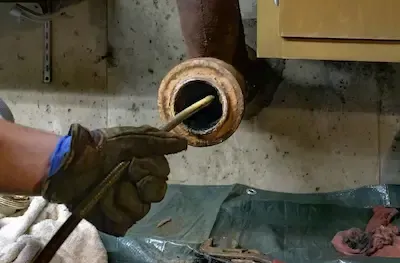
Drain Cleaning Gahanna OH: Clear Clogs & Stop Backups
Understanding Drain Blockages in Your Home
When water starts backing up in your sink, shower, or floor drain, you're dealing with more than just an inconvenience. Drain blockages develop gradually, often starting as minor slowdowns that homeowners ignore until complete backup occurs. Hair, soap residue, food particles, and mineral deposits accumulate inside your pipes over months or years, creating layers that eventually restrict water flow entirely.
In Gahanna's older neighborhoods, cast iron and clay pipes compound these problems. These materials develop rough interior surfaces over time, catching debris more easily than smooth modern pipes. Temperature fluctuations throughout Ohio's seasons also cause pipes to expand and contract, potentially loosening joints where blockages commonly form.
Grease represents one of the most problematic drain enemies. When hot cooking oil cools inside your pipes, it solidifies and creates a sticky surface that traps other debris. Over time, this creates dense blockages that resist simple plunging or hot water flushes. Understanding these underlying causes helps you recognize when professional Drain Cleaning becomes necessary rather than continuing ineffective home remedies.
Signs Your Drain Needs Professional Attention
Multiple slow drains throughout your home indicate a main line problem rather than isolated blockages. When your kitchen sink, bathroom drains, and laundry drain all exhibit sluggish performance simultaneously, the issue likely exists in your home's primary drain line or sewer connection. This situation requires professional diagnosis and equipment beyond what typical homeowners possess.
Recurring backups despite your cleaning efforts signal deeper problems. If you've snaked a drain or used chemical cleaners multiple times within a few months, the blockage extends beyond reach of standard tools. Tree roots infiltrating sewer lines, collapsed pipe sections, or severe grease accumulation create conditions that require professional hydro jetting or mechanical augering.
Foul odors emerging from drains indicate organic matter decomposition or sewer gas infiltration. These smells suggest blockages have created stagnant water conditions where bacteria multiply rapidly. In some cases, damaged vent pipes or dry P-traps allow sewer gases to enter your home, creating health concerns alongside the drainage issues.
Water backing up into other fixtures when you use certain drains reveals interconnected blockages. When running your washing machine causes your utility sink to overflow, or flushing a toilet creates bubbling in your bathtub drain, your drain system can't handle normal water volume due to restrictions somewhere in the line.
Professional Drain Cleaning Methods
Mechanical augering, commonly called snaking, uses rotating cables with cutting heads to break through blockages and pull debris from pipes. Professional augers reach much farther than homeowner models, extending 100 feet or more into your drain system. Different cable diameters and cutting heads target specific blockage types, from hair clogs to root intrusions.
Hydro jetting employs high-pressure water streams to scour pipe interiors clean. This method removes not just blockages but also the buildup coating pipe walls that contributes to recurring problems. Hydro jetting works particularly well on grease accumulation, mineral deposits, and minor root infiltration. The process also reveals pipe condition, as damaged sections may not withstand the pressure, indicating replacement needs.
Video camera inspection provides crucial diagnostic information before and after cleaning. Modern drain cameras navigate pipe systems while transmitting real-time footage, revealing blockage locations, pipe materials, joint conditions, and structural problems. This technology eliminates guesswork and ensures cleaning efforts target actual problem areas rather than symptoms.
Chemical treatments used by professionals differ significantly from store-bought products. Professional-grade enzymes break down organic matter without pipe damage, while specialized acids dissolve mineral buildup safely. These treatments often complement mechanical cleaning rather than replacing it, ensuring complete blockage removal and extended results.
Common Drain Problems in Gahanna Homes
Tree root infiltration affects many Gahanna properties, particularly those with mature landscaping. Roots seek water sources and penetrate small cracks in sewer lines, eventually creating substantial blockages. Oak, maple, and willow trees common in local yards have aggressive root systems that travel considerable distances seeking moisture. Once roots establish inside pipes, they continue growing and catching debris, creating recurring backup problems.
Older homes in established Gahanna neighborhoods often have cast iron drain lines installed decades ago. These pipes develop rust scale and rough interiors that catch debris more readily than modern materials. Cast iron also becomes brittle over time, developing cracks and joint separations that allow root infiltration and soil intrusion.
Kitchen drain problems frequently involve grease accumulation combined with food debris. Despite garbage disposal use, many food particles and cooking oils enter drain lines where they create sticky blockages. Restaurants and food service businesses face similar challenges on a larger scale, requiring regular professional maintenance to prevent expensive emergency cleanouts.
Bathroom drains collect hair, soap scum, and personal care products that create dense, fibrous blockages. Long hair wraps around pipe joints and catches other debris, while soap residue hardens around these accumulations. Older bathroom fixtures with inadequate slope or poor pipe sizing exacerbate these problems by allowing debris to settle rather than flow freely.
Prevention Strategies for Long-Term Drain Health
Regular maintenance cleaning prevents minor issues from becoming major problems. Monthly hot water flushes help dissolve soap and grease buildup, while enzyme treatments break down organic matter safely. However, avoid chemical drain cleaners that can damage pipes and create more problems than they solve. Professional maintenance cleaning every 18-24 months keeps drain systems functioning optimally and identifies developing problems early.
Proper disposal habits significantly reduce drain problems. Never pour cooking grease down drains, instead collecting it in containers for garbage disposal. Use drain screens to catch hair and debris before they enter pipes. Limit toilet paper quantities and never flush sanitary products, cotton swabs, or other non-biodegradable items that contribute to blockages.
Understanding your home's drain system helps prevent problems. Know where your main cleanout access points are located, typically near where your sewer line exits your foundation. Recognize which fixtures connect to the same drain lines, so you can identify main line problems versus individual fixture issues. This knowledge helps you communicate effectively with service professionals and make informed decisions about cleaning methods.
For comprehensive guidance on winter plumbing issues that often accompany drainage problems, consult the frozen pipe repair walkthrough to understand how seasonal changes affect your entire plumbing system.
Cost Considerations and Service Options
Basic drain cleaning costs vary based on blockage severity, pipe accessibility, and required methods. Simple augering for accessible drains costs less than hydro jetting main lines or addressing root infiltration. Emergency service calls during evenings, weekends, or holidays carry premium pricing, making regular maintenance more economical than crisis response.
Insurance coverage for drain cleaning depends on the cause and extent of problems. Sudden blockages causing property damage may receive coverage, while gradual buildup from normal use typically doesn't qualify. Review your homeowner's policy details and maintain documentation of regular maintenance to support potential claims related to backup damage.
Service agreements with local plumbing companies often provide cost savings and priority scheduling. These arrangements typically include annual inspections, discounted cleaning services, and reduced emergency call fees. For homes with recurring drain issues or older plumbing systems, service agreements offer predictable costs and proactive maintenance.
Consider long-term pipe replacement when cleaning costs become excessive. Repeatedly clearing the same blockages may indicate pipe deterioration requiring permanent solutions. Modern pipe materials resist buildup and root infiltration better than older systems, potentially reducing maintenance needs and improving drainage performance significantly.
When to Call Professional Help
Multiple fixture backups require professional diagnosis and equipment. When problems affect your entire drain system rather than individual fixtures, the blockage likely exists in main lines beyond homeowner tool reach. Professional equipment can access these areas safely and effectively while identifying underlying causes.
Sewage backups create health hazards requiring immediate professional response. Raw sewage contains dangerous bacteria and viruses that pose serious health risks. Professional cleanup includes proper sanitization and disposal methods that protect your family's health while restoring normal drainage function.
Structural damage signs around drain lines indicate serious problems needing expert evaluation. Settling around outside cleanouts, foundation cracks near drain exits, or unusual odors from basement or crawl space areas may indicate broken pipes or failing connections. These conditions require professional diagnosis and often extensive repair work.
Recurring problems despite repeated cleaning attempts suggest underlying issues requiring professional solutions. If you're cleaning the same drains frequently or experiencing backups shortly after cleaning, the problem extends beyond surface blockages. Professional video inspection can reveal root causes and appropriate long-term solutions.
Protecting Your Investment
Regular professional maintenance protects your home's plumbing investment while preventing costly emergency repairs. Clean, well-functioning drains reduce stress on your entire plumbing system and prevent water damage that can affect flooring, walls, and foundations. Establishing relationships with qualified local service providers ensures quick response when problems develop.
Documentation of maintenance and repairs supports warranty claims and insurance needs while helping track system performance over time. Keep records of cleaning dates, methods used, and any problems discovered during service. This information helps service providers understand your system's history and make appropriate recommendations for future care.
Understanding when to attempt simple solutions versus calling professionals saves both time and money. While homeowner maintenance plays an important role in drain care, recognizing the limits of DIY methods prevents damage from inappropriate tools or techniques. Professional service provides peace of mind along with effective problem resolution, ensuring your Gahanna home's drainage system continues functioning reliably for years to come.
For more on this, see our guide to toilet repair and stubborn clogs.
For more on this, see our guide to common kitchen drain cleaning mistakes.
