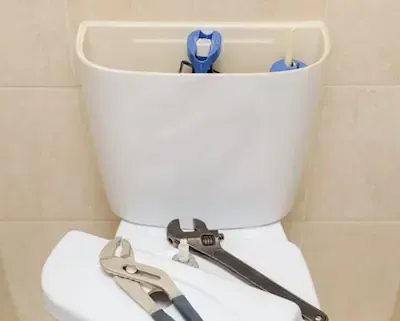
Toilet Repair Gahanna OH: Stop Leaks, Clogs & Runs
Toilet problems never happen at convenient times. Whether you're dealing with a toilet that won't stop running, water pooling around the base, or a stubborn clog that refuses to clear, these issues demand immediate attention in your Gahanna home. Understanding the common causes and solutions for toilet repairs can help you determine when to tackle the problem yourself and when to call for professional assistance.
Common Toilet Problems and Their Root Causes
Most toilet issues stem from a handful of mechanical failures within the tank or bowl assembly. A running toilet typically indicates problems with the flapper, chain, or fill valve mechanism. When the flapper doesn't create a proper seal against the flush valve seat, water continuously flows from the tank into the bowl, creating that annoying running sound and wasting significant amounts of water.
Leaks around the toilet base usually point to wax ring failure or loose bolts securing the toilet to the floor flange. The wax ring creates a watertight seal between the toilet and the drain pipe, and when it deteriorates, sewage gases can escape while water seeps onto your bathroom floor. This type of leak requires immediate attention to prevent subfloor damage and health hazards.
Clogs occur when too much material enters the drain trap or when objects get lodged in the toilet's internal pathways. While most clogs respond to plunging, recurring blockages often indicate deeper issues with your home's drain system or problems with the toilet's flushing mechanism.
Hard water conditions common throughout central Ohio can accelerate mineral buildup in toilet components, leading to premature wear of moving parts and reduced flushing efficiency. Toilet Repair specialists in the Gahanna area frequently encounter toilets with mineral deposits affecting the fill valve, flush valve, and internal mechanisms.
Diagnosing Running Toilet Issues
When your toilet won't stop running, start by removing the tank lid and observing the internal components during a flush cycle. The chain connecting the flush handle to the flapper should have slight slack when the flapper is seated. If the chain is too tight, it prevents the flapper from sealing properly. If it's too loose, the flapper won't lift sufficiently during flushing.
Check the flapper itself for warping, mineral buildup, or deterioration. A warped flapper won't create an effective seal against the flush valve seat, allowing water to continuously flow into the bowl. Mineral deposits can prevent the flapper from seating properly, while deteriorated rubber loses its flexibility and sealing capability.
The fill valve controls water flow into the tank after flushing. If water continues running after the tank should be full, the fill valve may need adjustment or replacement. Modern fill valves have adjustment screws that control the water level, while older ballcock-style valves use a float arm mechanism that may require bending to achieve proper water levels.
Water level issues also cause running toilets. If the water level sits too high, it flows into the overflow tube continuously. Too low, and the flapper may not seal properly due to insufficient water pressure holding it against the flush valve seat.
Addressing Toilet Leaks and Water Damage
External leaks around the toilet base require immediate attention to prevent costly water damage to your bathroom flooring and subfloor structure. Before assuming the wax ring has failed, check that the bolts securing the toilet to the floor flange remain tight. Loose bolts can create gaps that allow water to seep past even a functional wax ring.
Wax ring replacement involves removing the toilet completely, which requires shutting off water supply, disconnecting the water line, and carefully lifting the toilet to access the flange. The old wax ring must be completely removed from both the toilet base and floor flange before installing a new ring. This job requires two people and proper techniques to avoid damaging the toilet or floor flange.
Internal leaks between the tank and bowl typically indicate problems with the tank-to-bowl gasket or mounting bolts. These repairs require disassembling the connection between tank and bowl, replacing the gasket, and ensuring proper bolt tension during reassembly.
Cracks in the toilet bowl or tank create leaks that cannot be effectively repaired. Small hairline cracks may seem manageable but will typically expand over time, eventually leading to catastrophic failure. Professional evaluation helps determine whether crack repair attempts are worthwhile or if replacement is the more cost-effective solution.
Effective Clog Removal Techniques
Most toilet clogs respond to proper plunging technique using a flange plunger designed specifically for toilets. The flange creates a better seal within the toilet's drain opening compared to standard cup plungers. Create a seal over the drain opening and use firm, consistent plunging motions rather than aggressive jabbing that can splash contaminated water.
For stubborn clogs, a toilet auger provides more aggressive clearing action than plunging alone. The auger's flexible cable extends into the drain trap and beyond, allowing you to break up or retrieve objects causing the blockage. Proper auger technique prevents scratching the toilet's porcelain surface while effectively clearing obstructions.
Chemical drain cleaners should never be used in toilets, as they can damage internal seals and create dangerous chemical reactions with standing water. Enzyme-based cleaners designed specifically for toilets offer a safer alternative for organic blockages, though mechanical removal remains more effective for most situations.
Recurring clogs often indicate issues beyond the toilet itself. Tree root intrusion into sewer lines, collapsed drain pipes, or inadequate slope in drain lines can create conditions where clogs form repeatedly. These situations require professional diagnosis and repair to address the underlying cause rather than just treating symptoms.
Component Replacement and Repair Costs
Toilet repair costs vary significantly based on the specific components requiring attention and labor complexity involved. Simple repairs like flapper replacement or chain adjustment typically cost between $75-150 when performed professionally, though homeowners can often handle these repairs with basic tools and replacement parts.
Fill valve replacement represents a moderate repair complexity, with professional service calls ranging from $150-250 including parts and labor. The job requires shutting off water supply, disconnecting the water line, and ensuring proper adjustment of the new valve for optimal performance.
Wax ring replacement costs typically range from $200-350, reflecting the labor-intensive nature of removing and reinstalling the toilet. This price includes the wax ring, new bolts if needed, and professional installation to ensure proper sealing and stability.
Complete toilet replacement becomes cost-effective when multiple components need attention or when the toilet itself shows signs of significant wear. New toilet installation, including removal of the old unit, typically ranges from $400-800 depending on the toilet model selected and any complications with existing plumbing connections.
Many homeowners in the Gahanna area find that water line help for homeowners becomes necessary when toilet problems coincide with other plumbing issues, as interconnected systems often experience related failures.
When Professional Service Becomes Necessary
While many toilet repairs fall within the capabilities of handy homeowners, certain situations require professional expertise and specialized tools. Any repair involving the toilet's connection to the floor flange or main drain line should be handled by experienced professionals to prevent damage to your home's plumbing infrastructure.
Toilet removal and reinstallation, whether for wax ring replacement or floor repairs, requires proper techniques to avoid cracking the toilet or damaging the floor flange. Professional plumbers have the experience and tools necessary to complete these jobs efficiently while minimizing risk of costly mistakes.
Recurring problems that resist simple repairs often indicate complex issues requiring diagnostic expertise. Professional plumbers can identify whether problems stem from the toilet itself, your home's drain system, or water supply issues that affect toilet operation.
Code compliance becomes important when toilet problems coincide with bathroom renovations or when local regulations require permits for certain types of plumbing work. Professional plumbers understand current codes and can ensure repairs meet all applicable requirements.
Preventive Maintenance for Long-Term Reliability
Regular toilet maintenance prevents many common problems and extends the lifespan of toilet components. Monthly inspections of tank components help identify developing issues before they become major problems. Check the flapper for proper sealing, ensure the chain has appropriate slack, and verify that water levels remain within proper ranges.
Annual replacement of toilet flappers prevents most running toilet issues, as rubber components deteriorate over time even with normal use. Quality flappers cost less than $10 and can be replaced in minutes with basic tools, making this preventive measure highly cost-effective.
Water quality improvements, such as whole-house water softening systems, reduce mineral buildup that can affect toilet components. Hard water conditions common in central Ohio accelerate wear on internal mechanisms and can cause premature failure of seals and moving parts.
Proper usage habits also contribute to toilet longevity. Avoiding flushing inappropriate items, using moderate amounts of toilet paper, and addressing minor issues promptly prevents small problems from developing into major repairs requiring professional intervention.
