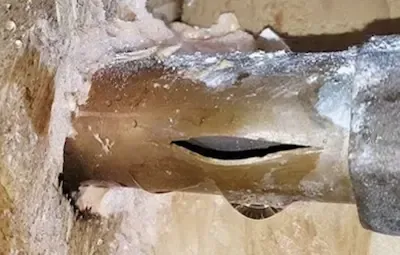
Where Pipes Freeze First in Gahanna OH Older Homes
Gahanna winters have a way of exposing every weak point in an older home's plumbing. When temperatures drop below freezing for extended stretches — which happens regularly from December through February in central Ohio — certain pipes are far more vulnerable than others. If your home was built before the 1990s, the original construction methods and materials often left key pipe runs exposed to cold in ways that modern building standards have since corrected. Knowing exactly where freezing starts gives you a real advantage in preventing a costly rupture before it happens.
Why Older Gahanna Homes Face Higher Freeze Risk
Homes built in Gahanna during the 1950s through 1980s were typically constructed without the thermal envelope standards required today. Insulation was thinner, vapor barriers were inconsistent, and pipe routing decisions were made without much thought given to cold-weather performance. Many of these homes also went through informal additions — sunrooms, enclosed porches, garage conversions — where plumbing was extended without proper insulation protection. The result is a network of pipe runs with exposed sections that sit right at the edge of freezing conditions during a hard Ohio cold snap.
Crawl Spaces Are the Highest-Risk Zone
In older Gahanna homes, the crawl space is almost always where freezing starts first. Supply lines running through unventilated or poorly insulated crawl spaces sit exposed to outside air temperature with very little buffer. When wind cuts through crawl space vents — which older homes often have in excess, placed according to outdated standards — the effective temperature around those pipes can drop well below what the thermostat reads inside. Copper and galvanized steel pipes in crawl spaces that lack insulation wrapping are at immediate risk once outside temperatures fall below 20°F.
If your home has a crawl space with original pipe runs, check whether those pipes have foam insulation sleeves or heat tape installed. Bare pipe sitting inches from a vented exterior opening is a freeze waiting to happen. This is one of the most common calls Frozen Pipe Repair professionals respond to in the Gahanna area every winter.
Exterior Wall Pipe Runs in Kitchens and Bathrooms
Another consistent problem in older Gahanna construction is supply lines routed through exterior walls. In homes built before modern insulation practices, plumbers sometimes ran hot and cold lines through the same wall cavity as exterior sheathing, with fiberglass batt insulation placed on the wrong side of the pipe — between the pipe and the living space instead of between the pipe and the cold exterior. This effectively means the pipe is sitting in a mini refrigerator every winter night.
Kitchen sink supply lines and bathroom vanity plumbing are the most common locations for this problem. You can often identify it by noticing that pipes under a sink cabinet feel unusually cold to the touch even when indoor heat is running. Cabinet doors left closed over a cold winter night make the problem worse by blocking interior warmth from reaching those pipes.
Garage Pipe Runs and Laundry Supply Lines
Attached garages in older Gahanna homes are frequently unheated, and pipe runs that cross through or along garage walls are exposed to nearly outdoor temperatures. This is especially common when a laundry room was added to or adjacent to a garage space, creating water supply lines that travel through an uninsulated wall shared with the garage. Washing machine supply lines, utility sink feeds, and water heater inlet lines in garage-adjacent spaces all carry meaningful freeze risk.
Even if the garage itself is attached and sealed, overnight lows during a Gahanna winter cold snap can push unheated garage temperatures well below freezing. Pipes that run through the top of a garage wall or across the garage ceiling — sometimes the case when a laundry room sits directly above — are especially exposed.
Uninsulated Basement Pipe Runs Near Rim Joists
The rim joist is the band of framing that sits at the top of your foundation wall and connects to your floor system. In older Gahanna homes, this area is frequently uninsulated or only partially insulated. Water supply lines that run along the perimeter of the basement near that rim joist zone are essentially sharing wall space with outside air. During a prolonged cold stretch, these lines can reach freezing temperatures from the outside in, even if the rest of the basement stays relatively warm.
Homes in older Gahanna neighborhoods — particularly in areas developed near Jefferson Street and north of Morse Road — tend to show this pattern because the original builders focused insulation efforts on the above-grade walls but left the basement perimeter unaddressed. If you see bare copper pipe running along a basement wall within a foot of the top of the foundation, that section deserves attention before winter deepens.
Outdoor Hose Bibs and Meter Connections
Hose bibs that were not updated to frost-free models are an obvious freeze point, but many homeowners in older Gahanna homes overlook the short section of supply pipe leading to the bib inside the wall. Even a frost-free bib requires that the homeowner disconnect the hose before freezing weather — a connected hose prevents the internal valve from draining properly and eliminates the freeze protection entirely. This mistake causes splits in the pipe just inside the wall every single winter.
Water meter connections in unheated utility closets or areas built flush with an exterior wall carry similar risk. If your meter is in a space that gets no heat, wrap it and the surrounding supply pipe with insulation or heat tape before temperatures drop.
What to Do When You Find a High-Risk Zone
Once you identify a vulnerable section of pipe in your home, the priority actions are insulation, draft sealing, and supplemental heat when necessary. Foam pipe sleeves are inexpensive and easy to install on accessible runs. Expanding foam or rigid foam board applied to crawl space walls and rim joist bays makes a significant difference. For sections that cannot be easily insulated, a low-wattage heat cable rated for pipe application provides reliable protection during freeze events.
For a deeper look at steps homeowners can take before and after a freeze event, read our guide on frozen pipe help for homeowners. If a pipe has already frozen or you suspect damage after a cold stretch, getting a professional assessment quickly matters — thawed pipes can leak for hours before a homeowner notices the water.
Recognizing Gahanna's Specific Cold Patterns
Central Ohio winters are not consistently brutal, but they produce unpredictable deep-cold events — often two to five days where overnight temperatures fall between 5°F and 15°F — that are more damaging to older plumbing than sustained moderate cold. Homes that went through multiple winters without incident can suddenly experience a freeze during one of these short sharp events. The pipe that froze was always vulnerable; the weather just finally reached the threshold. Knowing where those vulnerable sections are in your specific home, before the next cold snap arrives, is the most practical thing you can do to protect your plumbing this winter.
