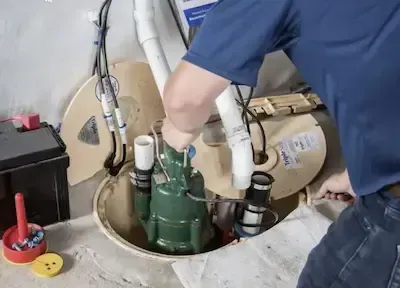
Sump Pump Repair Gahanna OH: Save Your Wet Basement
When your basement starts flooding during a storm, a malfunctioning sump pump is often the culprit. In Gahanna, Ohio, where heavy rains and seasonal weather changes put extra stress on basement drainage systems, understanding sump pump repair becomes crucial for protecting your home's foundation and belongings. Whether your pump has stopped working entirely or shows signs of declining performance, addressing issues promptly can save you thousands in water damage restoration costs.
Understanding Your Sump Pump System
Your sump pump serves as the primary defense against basement flooding by collecting groundwater in a pit and pumping it away from your home's foundation. Most Gahanna homes rely on submersible pumps that sit directly in the sump pit, though some older properties may have pedestal pumps mounted above the pit. The system includes the pump motor, float switch, discharge pipe, and backup power source in many cases.
The pump activates when rising water lifts the float switch, triggering the motor to pump water through the discharge pipe and away from your foundation. This process repeats as needed to maintain safe water levels. Understanding this basic operation helps you recognize when something goes wrong and needs professional attention through Sump Pump Repair services.
Regular maintenance keeps your system functioning properly, but even well-maintained pumps eventually require repairs or replacement. The typical sump pump lasts eight to ten years with proper care, though harsh conditions or frequent cycling can shorten this lifespan significantly.
Warning Signs Your Sump Pump Needs Repair
Several indicators suggest your sump pump requires immediate attention. Strange noises like grinding, rattling, or excessive vibration often signal mechanical problems within the motor or impeller assembly. These sounds typically worsen over time and indicate internal components are wearing out or becoming damaged.
Irregular cycling patterns also warrant concern. If your pump runs constantly without shutting off, the float switch may be stuck or the pump cannot keep up with water inflow. Conversely, a pump that never activates despite standing water in the pit likely has electrical issues or a faulty float switch.
Visible rust on the pump housing or discharge pipes indicates corrosion that can lead to system failure. While surface rust may seem minor, it often signals deeper deterioration that compromises pump integrity. Additionally, if you notice water backing up in your basement despite the pump running, the system may be clogged or undersized for current conditions.
Testing your pump before storm season reveals potential problems. Pour water into the sump pit to trigger the float switch. A properly functioning pump should activate quickly, remove the water efficiently, and shut off automatically when the water level drops.
Common Sump Pump Failure Causes
Power outages during storms create the most challenging situation for sump pump operation. When electrical service fails during heavy rainfall, your pump cannot operate exactly when you need it most. Many Gahanna homeowners install battery backup systems or generators to address this vulnerability.
Clogged discharge lines prevent proper water removal even when the pump operates correctly. Debris, ice formation in winter, or collapsed pipes can block water flow, causing the system to work harder and eventually fail. Regular inspection of exterior discharge points helps identify these problems before they cause basement flooding.
Float switch problems account for many service calls. The switch can become tangled, stuck in position, or damaged by debris in the sump pit. When the float cannot move freely, the pump either runs continuously or fails to activate when needed.
Pump age and wear naturally degrade performance over time. Internal seals deteriorate, impellers become damaged, and motor efficiency declines. These gradual changes may not be immediately obvious but reduce the pump's ability to handle heavy water inflow during storms.
Improper installation causes ongoing problems for many systems. Pumps installed without proper drainage, inadequate electrical connections, or incorrectly sized components struggle to perform reliably. Professional installation ensures all components work together effectively.
Repair Versus Replacement Decisions
Determining whether to repair or replace your sump pump depends on several factors including age, condition, and repair costs. Minor issues like float switch replacement or discharge line cleaning typically justify repair, especially for newer pumps under five years old. These fixes are relatively inexpensive and restore full functionality.
Motor problems present more complex decisions. If the motor shows signs of electrical failure or mechanical damage, replacement costs may approach or exceed the price of a new pump. Pumps over eight years old with motor issues generally warrant full replacement rather than expensive repairs.
Consider your home's changing needs when making repair decisions. If your basement flooding has worsened due to neighborhood development or climate changes, your current pump may be undersized regardless of its condition. Upgrading to a higher-capacity unit provides better protection than repairing an inadequate system.
Emergency repairs during active flooding require immediate attention regardless of cost considerations. However, once the immediate crisis passes, evaluate whether the repaired system meets your long-term needs or if replacement would provide better reliability and peace of mind.
Professional Repair Process
Professional sump pump repair begins with thorough system diagnosis to identify the root cause of problems. Technicians test electrical components, examine mechanical parts, and evaluate overall system performance. This comprehensive approach ensures repairs address underlying issues rather than just symptoms.
Common repair procedures include float switch replacement, motor service, impeller cleaning, and discharge line clearing. Professionals have specialized tools and replacement parts to complete these repairs efficiently. They also identify potential problems that could cause future failures.
Quality repair services include system testing after completion to verify proper operation. This testing simulates various water levels and conditions to ensure the pump responds appropriately. Technicians also provide maintenance recommendations to prevent future problems and extend system life.
Professional repairs often include warranty coverage on parts and labor, providing protection against premature failure. This coverage gives homeowners confidence in the repair quality and helps budget for future maintenance needs.
Preventive Maintenance Strategies
Regular maintenance significantly reduces repair needs and extends sump pump life. Monthly testing during active seasons ensures your system functions properly when needed. Simply pouring water into the pit to activate the pump reveals potential problems before they cause basement flooding.
Keep the sump pit clean and free of debris that could interfere with pump operation or clog the intake. Remove leaves, sediment, and any objects that fall into the pit. Additionally, ensure the pit cover fits properly to prevent debris entry while allowing access for maintenance.
Inspect discharge lines seasonally for clogs, damage, or ice formation. The exterior discharge point should direct water well away from your foundation and remain clear of obstructions. In winter, ensure the discharge area doesn't freeze and create backups.
Consider professional annual maintenance that includes thorough cleaning, component inspection, and performance testing. This service often identifies minor issues before they become major problems, similar to how clearing clogged drains in Gahanna prevents more serious plumbing emergencies.
Local Gahanna Considerations
Gahanna's soil conditions and water table levels create specific challenges for sump pump systems. The area's clay-heavy soil can retain water longer after storms, requiring pumps to work harder and longer than in areas with better drainage. This extended operation increases wear and the likelihood of repairs.
The Big Walnut Creek watershed influences groundwater levels throughout Gahanna, particularly in neighborhoods near the creek system. Homes in these areas may experience higher water table levels that stress sump pump systems during wet periods. Understanding your property's relationship to local waterways helps predict pump workload.
Gahanna's development patterns also affect basement water management. Newer subdivisions with extensive paving and limited green space can increase runoff that eventually reaches groundwater systems. This increased water volume may require more robust sump pump systems than originally installed.
Local building codes and permits may apply to sump pump repairs or replacements, particularly for electrical work or major system modifications. Professional service providers understand these requirements and ensure compliance with municipal regulations.
Emergency Preparedness
Developing an emergency plan for sump pump failure protects your basement and belongings when problems occur during storms. Keep portable pumps, extension cords, and tarps readily available for temporary water removal if your primary system fails.
Know the location of your main electrical panel and how to safely shut off power to flooded areas if necessary. Water and electricity create dangerous situations that require immediate attention. Never enter standing water in areas with electrical equipment unless power is completely disconnected.
Maintain contact information for emergency repair services that provide 24-hour response during storms and flooding events. Having this information readily available saves valuable time when every minute counts in preventing water damage.
Document your basement contents and sump pump system with photos for insurance purposes. This documentation helps with claims processing if flooding occurs and provides valuable information for repair technicians who need to understand your system configuration.
Professional Service Selection
Choosing qualified sump pump repair professionals ensures reliable service and proper repairs. Look for licensed plumbers or water management specialists with specific sump pump experience and positive local references. Emergency availability is crucial since pump failures often occur during storms when immediate response is needed.
Quality service providers offer transparent pricing, warranty coverage, and detailed explanations of recommended repairs. They should thoroughly diagnose problems rather than simply replacing components without understanding underlying causes. This comprehensive approach provides better long-term results and value.
Local service providers understand Gahanna's specific conditions and common problems affecting area homes. This local knowledge helps them provide more effective solutions and maintenance recommendations tailored to your property's needs.
