Summer Storm Sump Pump Checks for Gahanna OH Basements
Summer storms in central Ohio can overwhelm unprepared sump pump systems, leaving Gahanna homeowners with flooded basements and costly water damage. Your sump pump works hardest during storm season, cycling repeatedly as groundwater rises around your foundation. A system that fails during peak demand can result in thousands of dollars in damage and weeks of restoration work.
Essential Pre-Storm Sump Pump Components
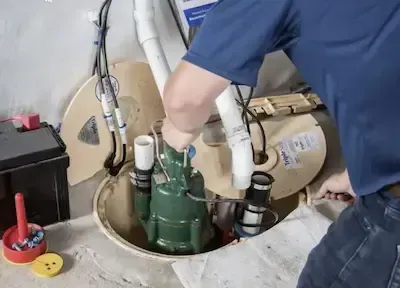
Your sump pump system consists of several critical components that must function together during heavy rainfall. The pump motor sits in a protective basin or pit, connected to a float switch that triggers operation when water levels rise. A check valve prevents pumped water from flowing back into the pit, while the discharge pipe carries water safely away from your foundation.
The electrical connection powers your entire system, making proper wiring and circuit protection essential for reliable operation. Battery backup systems provide emergency power during outages, which often coincide with severe weather events. Understanding each component helps you identify potential failure points before storm season arrives.
Regular maintenance of these interconnected systems prevents the cascading failures that lead to basement flooding. A malfunctioning float switch can prevent pump activation, while a clogged discharge line can cause system overload and motor burnout.
Critical Float Switch Testing Procedures
Float switches control when your sump pump activates and deactivates, making proper operation essential for flood prevention. Test your float switch by manually lifting it to the "on" position while the pump is plugged in. The motor should start immediately and run smoothly without unusual noises or vibrations.
Lower the float slowly to ensure the pump shuts off at the correct water level. A sticky or sluggish float may not respond quickly enough during rapid water rise, allowing your basement to flood before the pump engages. Clean debris from around the float mechanism and verify it moves freely in all directions.
Check for proper float positioning within the sump pit. The float should have adequate clearance to rise and fall without hitting the pit walls or pump housing. Improper positioning can prevent activation or cause continuous running, leading to premature motor failure.
Replace worn or damaged float switches before storm season. Signs of wear include cracking in the float housing, corroded electrical connections, or inconsistent switching behavior during testing.
Sump Pit Cleaning and Inspection
Debris accumulation in your sump pit can block water flow and damage pump components during operation. Remove the pump from the pit and clear all visible debris, including leaves, sediment, and small rocks that may have entered through foundation cracks or drainage tiles.
Inspect the pit walls for cracks or deterioration that could affect water collection efficiency. Minor cracks can often be sealed, but significant damage may require pit replacement to maintain proper drainage around your Gahanna home's foundation.
Verify that inlet pipes from your foundation drainage system remain clear and properly connected. Blocked or disconnected inlet pipes prevent groundwater from reaching the sump pit, causing water to accumulate elsewhere in your basement.
Check the pit cover for proper fit and ventilation. A loose or damaged cover allows debris to enter the system while potentially creating safety hazards around the pit opening. Ensure ventilation holes remain clear to prevent air lock conditions that can impair pump operation.
Discharge Line Maintenance Requirements
Your sump pump discharge line carries water away from your foundation, making proper maintenance critical for system effectiveness. Inspect the entire discharge path from the pump connection to the final outlet point, looking for clogs, damage, or improper drainage patterns.
Clear any obstructions from the discharge pipe, including ice damage from winter freezing, accumulated debris, or root intrusion in buried sections. A blocked discharge line can cause back-pressure that damages pump motors and prevents effective water removal.
Verify that discharge water flows away from your foundation rather than pooling near basement walls. Improper discharge grading can create a cycle where pumped water re-enters your foundation drainage system, overworking the pump and increasing flood risk.
Install or maintain freeze protection measures for outdoor discharge lines. Gahanna's winter temperatures can freeze standing water in discharge pipes, creating blockages that persist into storm season.
Power Supply and Battery Backup Testing
Electrical reliability becomes critical during storms when power outages frequently coincide with peak pumping demands. Test your sump pump's electrical connection by verifying proper voltage at the outlet and checking for secure wire connections throughout the system.
Inspect the pump cord for damage, including cuts, kinks, or exposed wiring that could cause electrical failures during operation. Replace damaged cords immediately to prevent safety hazards and ensure reliable power delivery to the motor.
Battery backup systems require regular testing and maintenance to function during emergencies. Load-test your backup battery by disconnecting main power and allowing the system to run for several minutes. The pump should operate at full capacity without voltage drops or performance degradation.
Check battery electrolyte levels and terminal connections on serviceable backup units. Corroded terminals or low electrolyte can prevent proper charging and reduce emergency runtime when you need it most.
For professional Sump Pump Repair services that ensure your system operates reliably through Gahanna's storm season, experienced technicians can identify and address issues before they lead to basement flooding.
Performance Testing Under Load Conditions
Simulate storm conditions by filling your sump pit with water to test actual pumping performance and cycle timing. Add water gradually while monitoring how quickly the pump activates and how effectively it removes water from the pit.
Measure the time required for complete pit drainage and note any unusual noises, vibrations, or performance irregularities during operation. A pump that struggles to maintain normal water levels during testing will likely fail during actual storm conditions.
Test multiple pump cycles to verify consistent performance and proper float switch operation throughout the range of water levels. Intermittent problems often appear only after several operating cycles, making thorough testing essential.
Document baseline performance measurements for comparison during future maintenance checks. Changes in pumping capacity or cycle timing can indicate developing problems before they cause system failures.
Local Weather Preparation Considerations
Central Ohio's storm patterns create unique challenges for Gahanna basement drainage systems. Spring and summer thunderstorms can dump several inches of rain in short periods, overwhelming undersized or poorly maintained sump pump systems.
Monitor local weather forecasts during storm season and prepare backup plans for extended power outages or pump failures. Having emergency water removal equipment readily available can prevent minor flooding from becoming major damage.
Consider the impact of seasonal water table fluctuations on your sump pump workload. Gahanna's clay soils can create perched water tables that increase groundwater pressure around foundations during wet periods, requiring more frequent pump operation.
Coordinate with neighbors regarding shared drainage systems or discharge arrangements that might affect your property during heavy rainfall. Understanding local drainage patterns helps predict potential problem areas and plan appropriate responses.
If you're experiencing persistent issues with your basement water management system, comprehensive sump pump help for Gahanna basements can address both immediate problems and long-term reliability concerns.
Professional Maintenance Scheduling
Schedule annual professional sump pump inspections before peak storm season to identify problems that require specialized tools or expertise to address properly. Professional technicians can detect motor wear, check electrical safety, and verify proper installation standards.
Complex issues such as inadequate pump capacity, improper pit sizing, or electrical code violations require professional assessment and correction. Attempting DIY repairs on these problems can create safety hazards and void equipment warranties.
Professional maintenance includes performance testing under controlled conditions, electrical safety verification, and documentation of system condition for insurance and warranty purposes. This documentation can prove valuable if weather-related damage occurs despite proper maintenance.
Establish relationships with qualified service providers before emergencies arise. Having trusted professionals available during storm season ensures rapid response when pump failures threaten your basement and belongings.
