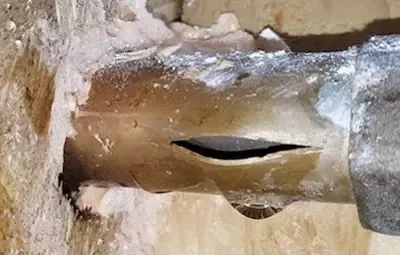
October Winterization for Pipes in Gahanna OH Homes
October in Gahanna brings that familiar shift — cooler mornings, leaves dropping along Havens Corners Road, and the first nights where temperatures dip close to freezing. For homeowners, that seasonal change is a signal. Pipes that were never a concern during summer can become a serious liability once cold weather sets in, and the window to act before real damage happens is shorter than most people realize. Getting your home ready for winter plumbing stress is not complicated, but it does require hitting the right tasks at the right time.
Why October Is the Right Month for Pipe Winterization in Gahanna
Gahanna sits in central Ohio where winters can swing unpredictably. You might get a mild November or you might get a hard freeze in late October that nobody saw coming. Waiting until the weather is already cold to start winterization prep is one of the most common mistakes local homeowners make. By the time temperatures are consistently below freezing, you have already missed the comfortable window to work outside, inspect crawl spaces, and drain outdoor lines without urgency.
October is ideal because the work is manageable, contractors have more availability than they do in December, and any issues discovered during inspection can be addressed before they become emergency calls. If you have Frozen Pipe Repair on your radar as something you want to avoid this winter, October prep is the most direct path to preventing it.
Outdoor Spigots and Hose Bibs
The outdoor spigots around your home are typically the first casualties of a hard freeze. Water left in these lines has no insulation from the cold, and the pipe connecting to your interior wall can freeze and split even when indoor temperatures remain comfortable. In early October, disconnect all garden hoses from exterior faucets. Hoses left connected trap water inside the spigot and dramatically increase freeze risk even if the bib itself is a frost-free model.
After disconnecting hoses, locate the shutoff valve for each exterior faucet — often found in a basement or crawl space — and close it. Then open the outdoor faucet to drain any remaining water from the line. Leave the spigot in the open position until all water has drained, then close it. This two-step process ensures the line between the shutoff valve and the exterior faucet is empty and cannot freeze.
Crawl Space and Basement Pipe Exposure
Many Gahanna homes, particularly those built in older neighborhoods near Creekside and surrounding streets, have exposed pipe runs in unheated crawl spaces or along basement walls near exterior foundations. These runs are vulnerable because they lack the ambient heat that keeps interior walls above freezing. October is the right time to walk through these areas and identify any pipes that are close to an exterior wall, near a vent, or otherwise exposed to cold air infiltration.
Pipe insulation foam is inexpensive and straightforward to install. Wrap any exposed water supply lines in unheated areas, paying particular attention to pipes near crawl space vents. If your crawl space has open foundation vents, consider closing or blocking them before the first hard freeze to reduce cold air circulation around the floor structure and pipes below.
Irrigation Systems and In-Ground Lines
If your home in Gahanna has an in-ground irrigation system, October is the last reliable month to schedule a professional blowout before freeze damage becomes a real concern. Irrigation lines are buried but still sit at depths that can freeze in a significant Ohio cold snap. Water left in these lines, especially in the above-ground backflow preventer and valve boxes, will expand and crack the system during the first hard freeze.
A compressed-air blowout clears standing water from every zone of the system. This is one of the few winterization tasks that genuinely benefits from professional equipment rather than a DIY approach, because proper air pressure and technique matter for protecting the heads and valves. Schedule this before mid-October if possible, as irrigation contractors in the area fill up quickly once the season turns.
Interior Water Lines in At-Risk Locations
Interior pipes can freeze too, particularly in areas where insulation is thin or air leaks allow cold to penetrate. Kitchen and bathroom pipes on exterior walls are worth checking. Open cabinet doors under sinks on exterior walls during cold nights to allow warm air circulation. If your home has a utility room, garage, or attached structure where a water line runs and the space is not actively heated, that line needs attention before winter.
Also consider the main water shutoff valve location. Every adult in your household should know where it is and how to operate it quickly. If a pipe does freeze and burst, the first response is turning off the water supply, and a few seconds of hesitation in finding the valve can mean significantly more water damage to your home. For detailed guidance on what to do if freezing does occur despite your best prep, read this resource on frozen pipe help for homeowners.
Water Heater and Utility Connections
Water heater efficiency drops in cold weather, and a unit working harder than it should in January is more likely to fail when demand is highest. October is a reasonable time to inspect your water heater for sediment buildup, check the pressure relief valve, and confirm the temperature setting is appropriate. In Gahanna homes with tankless water heaters, verify the freeze protection settings are enabled and that any exterior or garage-mounted units have proper insulation around their water connections.
Building a Simple October Checklist
A practical winterization approach for Gahanna homeowners does not need to be complicated. Work through these tasks before the end of October:
- Disconnect and store all garden hoses
- Shut off and drain each outdoor spigot using the interior valve
- Inspect crawl spaces for exposed pipes near vents or foundation walls
- Install or replace foam pipe insulation on exposed runs
- Schedule irrigation blowout with a local contractor
- Check under-sink cabinet areas on exterior walls
- Confirm every household member knows the main shutoff location
- Inspect water heater and check freeze protection on tankless units
Working through this list in October, while temperatures are still manageable across the Gahanna area, keeps the work practical and gives you time to address anything unexpected without the pressure of an incoming storm. Prevention is almost always faster and cheaper than repair, and the pipe protection steps above are among the highest-value maintenance tasks a homeowner can complete in the fall season.
