Leak Detection Gahanna OH: Find Hidden Water Damage
Hidden water leaks in your Gahanna home can cause thousands of dollars in damage before you even notice the first warning signs. Unlike burst pipes or obvious drips, these concealed leaks work silently behind walls, under slabs, and in crawl spaces, gradually weakening your home's structure and creating perfect conditions for mold growth. The key to protecting your property lies in understanding where these leaks typically occur and recognizing the subtle clues they leave behind.
Common Hidden Leak Locations in Gahanna Homes
Your home's plumbing system contains dozens of connection points where leaks can develop over time. Behind bathroom walls, pipes carrying hot water to showers and sinks face constant temperature fluctuations that stress joints and fittings. The space between your kitchen sink and exterior wall often harbors supply line leaks that remain undetected until water damage appears on adjacent surfaces.
Basement ceiling areas present another vulnerability, especially in older Gahanna properties where galvanized pipes may be reaching the end of their useful life. These overhead lines carry water to fixtures on upper floors, and small leaks can drip onto insulation or ceiling tiles for months before becoming visible. Professional Leak Detection services use specialized equipment to pinpoint these problem areas without requiring destructive investigation methods.
Slab leaks pose particular challenges for homeowners because they occur beneath your foundation's concrete. These leaks typically develop where copper pipes pass through or under the slab, especially at elbow joints where the pipe changes direction. The constant pressure and soil movement around Gahanna's clay-heavy soil conditions can stress these connections over decades.
Your water heater area deserves special attention since multiple connection points converge in a relatively small space. The temperature and pressure relief valve, supply lines, and drain connections all represent potential leak sources. Even minor seepage in this area can lead to significant water damage if your water heater sits on finished flooring or near storage areas.
Early Warning Signs of Concealed Water Damage
Your monthly water bill provides one of the clearest indicators of hidden leaks. A sudden increase in usage without corresponding changes in your household routine suggests water is flowing somewhere it shouldn't be. Even a small leak can waste hundreds of gallons per month, making this financial impact noticeable on your utility statement.
Wall and ceiling discoloration often appears as yellowish or brown stains that gradually expand over time. These marks typically develop in areas where moisture has been present for weeks or months, allowing minerals and organic matter to create visible staining. You might notice these changes near bathroom fixtures, under sinks, or along exterior walls where pipes run to outdoor spigots.
Unusual sounds in your plumbing system can indicate hidden leaks, particularly when you hear running water but no fixtures are in use. The sound of water moving through pipes when your home should be quiet suggests a continuous leak somewhere in the system. This is especially noticeable during overnight hours when ambient noise levels are lower.
Flooring changes provide another warning sign, particularly in areas over basements or crawl spaces. Hardwood floors may develop warping or cupping, while carpeted areas might feel spongy underfoot. Tile or laminate flooring can separate at joints or develop a hollow sound when walked on, indicating moisture underneath the surface.
Foundation cracks or settling issues sometimes result from soil erosion caused by underground leaks. When water continuously seeps from slab leaks, it can wash away supporting soil and create voids beneath your foundation. This process typically develops slowly but can lead to significant structural concerns if left unaddressed.
Professional Detection Methods and Equipment
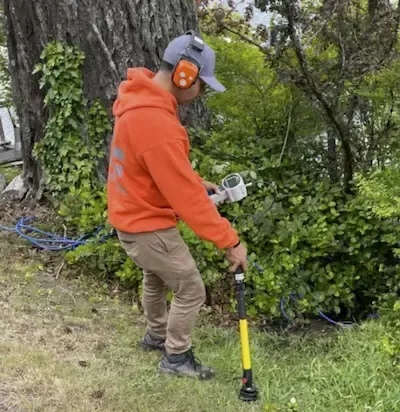
Modern leak detection relies on advanced technology that can locate problems without damaging your home's structure. Electronic listening devices amplify the sound of water escaping from pressurized pipes, allowing technicians to pinpoint leak locations through walls and slabs. These instruments can detect leaks several feet below ground level or behind multiple layers of building materials.
Thermal imaging cameras reveal temperature differences that indicate moisture presence behind surfaces. When water leaks from hot water lines, the resulting temperature variations become visible on infrared displays, helping technicians narrow search areas before using more invasive detection methods. This technology proves particularly valuable in wall cavities and above ceiling areas.
Pressure testing involves isolating sections of your plumbing system and monitoring for pressure drops that indicate leaks. Technicians can test individual zones of your home's plumbing to determine which areas require further investigation. This systematic approach eliminates guesswork and focuses detection efforts on problem areas.
Acoustic detection equipment can identify the specific frequency signatures produced by water leaks. Different types of leaks create distinct sound patterns, and experienced technicians can interpret these signals to determine leak size and location. This method works effectively for both pressurized water lines and drain line issues.
Video inspection of accessible pipes provides visual confirmation of leak sources and helps assess overall system condition. Flexible cameras can navigate through drain lines and some supply pipes to identify corrosion, joint failures, and other problems that might not be detectable from exterior surfaces.
Cost Factors and Damage Prevention
Early detection significantly reduces repair costs compared to waiting until visible damage appears. A small leak caught within weeks might require only a simple pipe repair, while the same leak allowed to continue for months could necessitate drywall replacement, flooring repair, and mold remediation services.
Insurance coverage for leak damage typically depends on the cause and duration of the problem. Sudden pipe failures are usually covered, while gradual leaks that develop over time may not qualify for coverage. Understanding your policy's specific language regarding water damage can help you make informed decisions about professional leak detection services.
The relationship between detection timing and total repair costs demonstrates why proactive leak detection makes financial sense. A professional inspection costing a few hundred dollars can potentially save thousands in structural repairs and contents replacement. This calculation becomes even more compelling when you factor in the disruption and inconvenience of major water damage restoration.
Preventive detection services can identify developing problems before they cause damage. Regular inspections of older homes, particularly those with original plumbing systems, can catch deteriorating conditions and allow for planned repairs rather than emergency interventions.
Age-Related Vulnerabilities in Gahanna Properties
Many Gahanna neighborhoods feature homes built during the 1970s and 1980s, when certain plumbing materials and installation methods were standard but have since proven problematic. Polybutylene pipes, used extensively during this period, are known to fail at connection points and can develop pinhole leaks throughout their length. If your home contains these gray plastic pipes, regular leak detection becomes especially important.
Original copper installations from this era may show signs of corrosion, particularly in areas where the pipes contact concrete or other metals. The electrochemical reactions that cause this deterioration work slowly but can eventually create leak points at joints and along straight runs of pipe. Professional inspection can identify early corrosion before it progresses to actual leaks.
Cast iron drain lines, common in older Gahanna homes, present unique leak detection challenges because they typically fail from the inside out. Small holes can develop in the bottom of horizontal runs, allowing sewage to leak into soil or basement areas. These leaks often go undetected until significant damage occurs or odors become noticeable.
Settlement patterns in older foundations can stress plumbing connections and create conditions favorable to leak development. As houses age and settle, rigid pipe connections may separate or develop stress cracks. Understanding your home's construction era helps predict which types of leaks are most likely to develop.
Slab Leak Considerations for Local Soil Conditions
Gahanna's soil composition includes significant clay content that expands and contracts with moisture changes throughout the year. This movement can stress pipes running beneath concrete slabs, particularly at connection points where pipes change direction or connect to fixtures. Understanding this local environmental factor helps explain why slab leaks develop and why regular inspection makes sense for area homeowners.
The depth of water lines beneath slabs varies depending on your home's original construction and local building codes at the time. Deeper lines may be less susceptible to soil movement but can be more difficult to access for repairs. Professional leak detection services can determine the depth and routing of your under-slab plumbing before problems develop.
Hot water lines under slabs face additional stress from thermal expansion and contraction cycles. These temperature changes, combined with soil movement, can accelerate joint failures and create conditions for leak development. Regular monitoring becomes especially important for homes with under-slab hot water distribution systems.
The interaction between your foundation design and local soil conditions affects long-term leak risk. Homes built on full basements may have different vulnerability patterns than those on crawl spaces or slab foundations. Professional leak detection services understand these local factors and can tailor inspection approaches accordingly.
When to Schedule Professional Leak Detection
Annual inspections provide the most cost-effective approach to leak detection for most homeowners, particularly those with homes over fifteen years old. This schedule allows detection of developing problems before they cause significant damage while spreading the inspection cost over a reasonable timeframe.
Immediate professional detection becomes necessary when you notice unexplained increases in water bills, persistent musty odors, or visible signs of water damage. These symptoms often indicate active leaks that require prompt attention to prevent further damage. Waiting for additional confirmation can significantly increase repair costs and damage extent.
Pre-purchase inspections for older homes should include comprehensive leak detection, especially when visible plumbing has not been recently updated. Understanding the condition of concealed plumbing helps inform purchase decisions and renovation planning. Many problems that would be expensive surprises after purchase can be identified and addressed through pre-purchase detection services.
Post-repair verification ensures that leak repairs have been successful and no additional problems were missed during the initial investigation. This follow-up service provides peace of mind and can identify any secondary issues that may have been masked by the primary leak problem.
Seasonal scheduling can take advantage of optimal detection conditions. Fall and winter months often provide better acoustic conditions for leak detection because reduced ambient noise levels make water sounds more detectable. Additionally, scheduling during these months ensures any identified problems can be addressed before spring rains or severe weather complicate repairs.
Technology Integration and Future Detection Methods
Smart home water monitoring systems now provide continuous leak detection capabilities through sensors placed at key locations throughout your plumbing system. These devices can alert homeowners to unusual water flow patterns or pressure changes that might indicate developing leaks. Integration with professional detection services creates a comprehensive monitoring approach.
Wireless sensor networks can monitor moisture levels in areas prone to leak damage, such as basement walls, under sinks, and near water heaters. These systems provide early warning of moisture intrusion before visible damage occurs, allowing for prompt investigation and repair. Professional leak detection services can recommend optimal sensor placement based on your home's specific vulnerabilities.
Advanced detection equipment continues to evolve, with newer instruments offering increased sensitivity and more precise location capabilities. Professional services that invest in current technology can often detect smaller leaks and provide more accurate location information, reducing the disruption and cost associated with repair access.
The integration of multiple detection methods provides the most comprehensive leak detection approach. Combining electronic listening, thermal imaging, pressure testing, and visual inspection creates overlapping detection capabilities that can identify problems other methods might miss. Professional services that employ multiple technologies offer the highest likelihood of detecting concealed leaks before they cause significant damage.
Understanding the importance of professional leak detection and maintaining awareness of your home's vulnerability factors helps protect your investment and prevent costly water damage. Whether dealing with age-related deterioration, suspicious symptoms, or proactive maintenance planning, professional leak detection services provide the expertise and equipment necessary to identify problems before they escalate into major repairs. Taking action when early warning signs appear, rather than waiting for obvious damage, typically results in lower repair costs and less disruption to your daily routine. For homeowners concerned about potential issues like fixing a failing sump pump, comprehensive leak detection can identify related plumbing problems that might contribute to basement moisture issues.For more on this, see our guide to underground water line repair.
