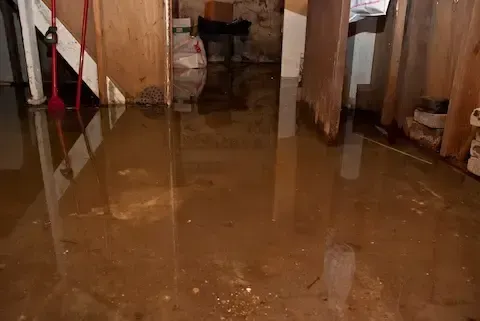
Fall Prep Steps to Stop a Burst Pipe in Gahanna OH
Winters in Gahanna, OH can turn fast. A stretch of mild November days lulls homeowners into skipping annual maintenance, and then a hard freeze arrives in December and splits a copper line in the crawl space before anyone notices. The damage from a single burst pipe — soaked insulation, warped subfloor, ruined drywall — runs into thousands of dollars. The good news is that most pipe failures are preventable with a focused fall prep routine. What follows is a practical, step-by-step guide to the spots that fail first in Central Ohio homes and exactly what to do before temperatures drop.
Why Gahanna Homes Face Specific Freeze Risk
Gahanna sits in Franklin County, where average January lows hover around 20°F and periodic polar vortex events push overnight temperatures to single digits or below. That temperature range is enough to freeze a stagnant water line in an unheated space within hours. Older homes in neighborhoods like Creekside or along Johnstown Road often have pipes running through uninsulated crawl spaces or along exterior garage walls — layouts that made sense decades ago but leave water lines dangerously exposed today. Even homes built in the 1990s can have supply runs that were never properly insulated because builders assumed finished basements would stay warm enough. Fall is when you find out where those weak points are before they become emergency calls.
Start With Outdoor Spigots and Hose Bibs
The outdoor hose bib is the most commonly neglected freeze point in Gahanna homes. Water left sitting in an exterior spigot or the short pipe section behind it will freeze when temperatures dip. Here is the correct sequence for shutting down exterior water access before winter:
- Locate the interior shutoff valve that feeds each outdoor spigot — typically found in the basement or utility room along the wall closest to the bib
- Turn that valve to the off position
- Go outside and open the spigot fully to drain remaining water from the line
- Leave the spigot in the open position briefly to confirm it drains completely, then close it
- Disconnect and store any garden hoses — a hose left attached traps water and defeats the drainage step
If your home has frost-free sillcocks, they are designed to drain automatically when the hose is disconnected — but only if the hose is actually removed. Many freeze failures on frost-free spigots happen because a hose was left attached all winter.
Inspect Crawl Space and Rim Joist Pipe Runs
Crawl spaces under Gahanna homes range from fully conditioned to completely open to outside air through foundation vents. If yours has open vents and uninsulated supply lines, you have a problem waiting to happen. Walk through or inspect your crawl space in early October while temperatures are still workable and look for:
- Copper or CPVC lines running along the perimeter near the foundation wall
- Any pipe within 12 inches of an uninsulated rim joist
- Missing or deteriorated pipe insulation — foam sleeve insulation compresses and loses effectiveness over time
- Signs of past repairs like patched joints or replaced sections, which signal prior freeze damage
Pipe insulation sleeves are inexpensive and easy to install in accessible crawl spaces. For lines in tight or difficult spots, heat tape rated for indoor use is a reliable backup. Make sure any heat tape is UL-listed and plugged into a GFCI outlet. Do not overlap heat tape over itself — that is a fire hazard.
Check the Garage and Exterior Wall Supply Lines
Garages in many Gahanna homes contain utility sinks or washing machine hookups served by supply lines that run through unheated space. Exterior wall cavities, especially on north or west-facing walls, are another common freeze location. During fall prep:
- Open cabinet doors below any sink on an exterior wall during cold snaps to allow warm air circulation
- Identify whether your garage utility sink has an interior shutoff — if not, consider adding one before winter
- Check that any pipe running through an exterior wall cavity has adequate insulation between the pipe and the outside sheathing
For garages that drop to freezing overnight but are not actively heated, a small space heater on a thermostat set to kick on at 35°F is a practical solution to protect exposed lines.
Know Where Your Main Shutoff Is Before You Need It
Every adult in your household should know how to shut off the main water supply. In a burst pipe situation, every second the water runs adds more damage. Most Gahanna homes have the main shutoff near the water meter in the basement or utility room. Locate it now, confirm it turns smoothly, and replace it if the valve is stiff or corroded — a shutoff that fails when you need it is worse than not having one.
If you are unsure where your shutoff is or if it has not been operated in years, having a plumber inspect it during fall prep is worth the service call. For ongoing guidance on what causes pipes to fail during Ohio winters, the resource on burst pipe basics for Gahanna homes covers the most common failure patterns in detail.
When to Call a Plumber for Fall Pipe Prep
Some fall prep steps are straightforward DIY tasks. Others are better handled by a licensed plumber. Call a professional when:
- You cannot locate or operate the interior shutoff for an outdoor spigot
- Pipe insulation in the crawl space is deteriorated or missing from a large section
- You want to add a dedicated shutoff to a garage or exterior line
- Your home has polybutylene pipe — a material prone to cracking under stress and worth evaluating before winter
- You had a freeze event last winter and are not certain the repair held correctly
Scheduling fall plumbing service in October is easier than getting an emergency call answered in January. Burst Pipe Repair services are available when the unexpected happens, but the goal of fall prep is making sure you never need that call in the first place.
A Quick Fall Checklist for Gahanna Homeowners
- Shut off and drain all outdoor hose bibs by mid-November
- Disconnect all garden hoses before the first freeze
- Insulate exposed crawl space lines before October temperatures drop
- Confirm main shutoff valve location and operation
- Add heat tape to any pipe that cannot be adequately insulated
- Schedule a plumber if you have unresolved concerns from last winter
Taking two to three hours in October to work through this list is the most cost-effective home maintenance you can do before a Central Ohio winter sets in. A burst pipe in a Gahanna home during a January freeze is not just an expensive repair — it displaces families, damages structure, and creates mold risk if water sits undetected. Prevention is simpler than recovery.
